






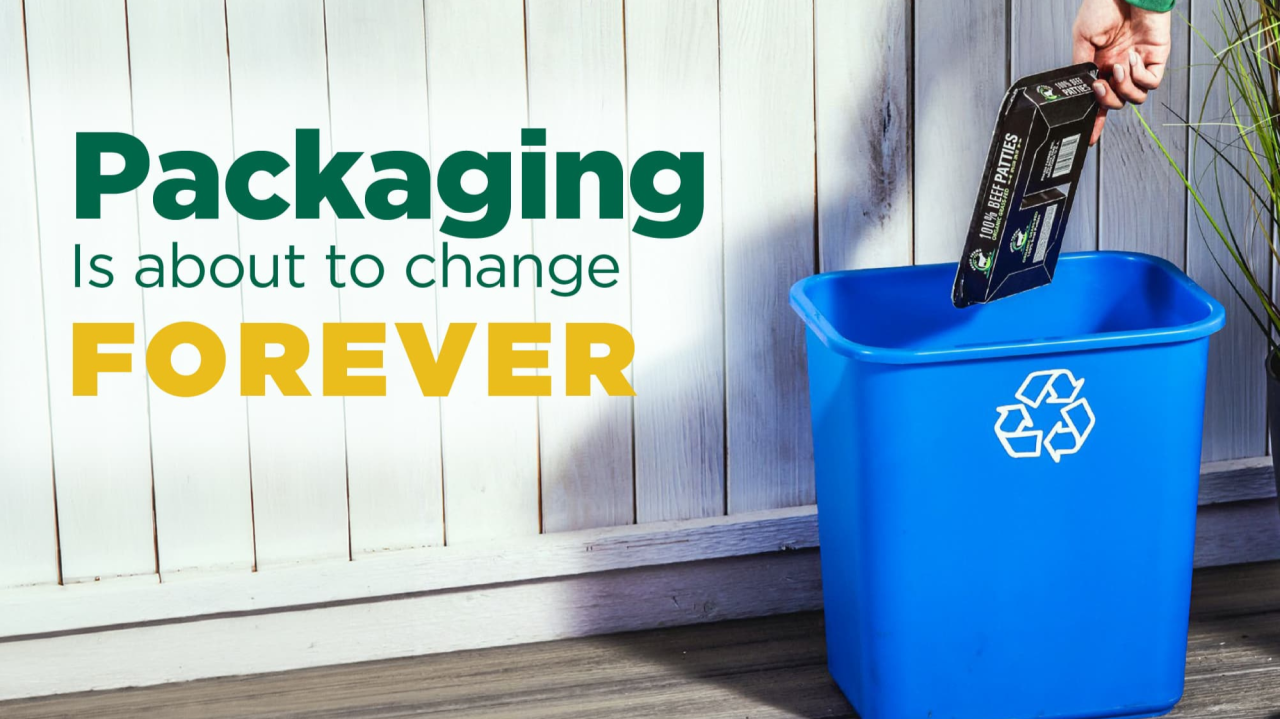
By 2030, in the European Union all packaging must be designed for recycling. The EU is taking a new approach to the future of recycling and adding rules and regulations to packaging. By using a DfR (Design for Recycling) grading system, they will sort materials by recyclability. Grade A is equal to 95% recyclable, grade B 80% recyclable, grade C 70% recyclable. Anything below 70% will be technically non-recyclable and won’t be placed on the market starting 2030. DfR rules to be defined through delegated acts by 2028. This initiative represents a significant shift in how packaging is viewed, emphasizing sustainability and environmental responsibility.
In the 2010s, single-use plastic started to raise concerns, warnings of missed content targets. As awareness of environmental issues grew, so did the calls for action. In 2022, the European Commission proposed the Packaging and Packaging Waste Regulation (PPWR for short.) The PPWR is aimed at preventing and reducing waste, improving packaging recyclability and recycling, and driving circular materials in packaging. Circular materials like paperboard are crucial in this transition. The PPWR goes into effect in 2025, marking a pivotal moment in the journey towards a more sustainable packaging industry.
Paperboard is made with unique fibers of wood and recycled materials that allow it to be recycled up to 10 times, sometimes more. This high recyclability is a key factor in its appeal as a sustainable packaging option. The life cycle of paperboard is simple: first, raw materials are sourced and brought to a paperboard mill where they are processed and sent to innovative packaging solutions. Then it is delivered to retailers, brands, and consumers. Once the consumers are finished with the paperboard packaging, they recycle it, and the process repeats itself. This cycle embodies the principles of Reuse, Reduce, Recycle, which are essential for a sustainable future.
Graphic Packaging International was founded in 1978 and is based in Atlanta, Georgia. They design and manufacture packaging solutions for commercial products, focusing on sustainability and innovation. GPI also specializes in making food-grade cardboard and paperboard, ensuring that their products meet the highest safety standards. They own and operate paperboard mills throughout the states and proudly provide paperboard to brands worldwide, contributing to a more sustainable packaging ecosystem.
Soon, the development of secondary legislation will start, and in 2028, standardized, mandatory labels for waste sorting on all waste receptacles and consumer packaging will begin. This means all labels on recycling bins and trash cans must be harmonized and follow strict color coding. This will help consumers sort waste properly, reducing contamination and improving recycling rates. Clear labeling is a critical step in educating the public about proper waste disposal practices.
By the year 2030, all packaging in the EU must meet DfR grading criteria. Most plastic packaging and parts in the EU will see restrictions in the following years. Single-use plastic items such as paper cups, lids, bowls, plates, and fresh fruit containers will all see restrictions. These measures are aimed at reducing the environmental impact of packaging waste and promoting a shift towards more sustainable materials.
In 2040, most plastic packaging and parts in the EU must meet increased recycled content targets. Right now, 87% of paperboard packaging is recycled in Europe, while only 42% of plastic is recycled (Source: Eurostat 2023). The EU aims to reduce packaging waste by 10% in 2035, setting ambitious goals for the future. Learn more about this exciting new future for recycling at Graphic Packaging International, where innovation meets sustainability, paving the way for a greener planet.