







Processing transactions quickly and safely is a foundational requirement for any growing business. Consumer expectations continue to shift toward speed and flexibility. Customers want to pay with credit cards, mobile wallets, or contactless setups without delays or complications.
Selecting the correct merchant processing framework directly affects your monthly margin and operational workflow. Outdated terminals, slow batch settlement times, and unclear fee schedules hurt profitability. Upgrading your point-of-sale technology helps eliminate unnecessary friction while keeping your account fully secure.
Understanding the Core Components of Payment Acceptance
Accepting card payments involves a connected chain between your storefront, the payment gateway, and the issuing bank. Every swipe, dip, or tap triggers a rapid series of security checks to confirm funds and protect against fraud.
Physical Point of Sale Hardware
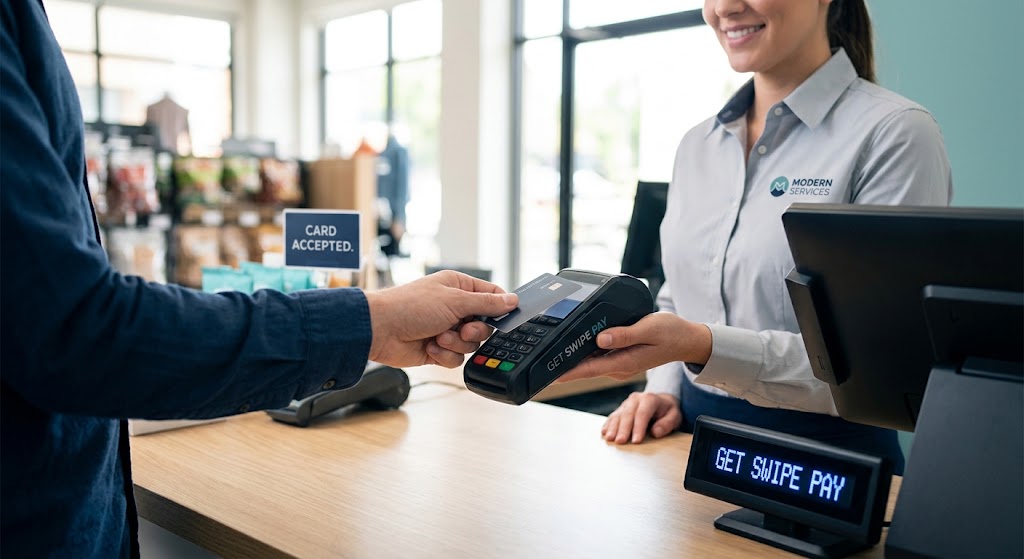
Countertop terminals, mobile card readers, and full POS registers serve as the front line of your customer interactions. Modern units support several key features:
- Contactless NFC technology for Apple Pay and Google Wallet
- EMV chip card readers that prevent counterfeit card fraud
- Bluetooth connectivity for mobile checkout anywhere in your store
- Direct integration with live inventory tracking systems
Online Gateways and Virtual Terminals
E-commerce businesses and professional service providers rely on digital infrastructure to handle remote payments safely. Virtual terminals transform standard web browsers into secure checkout tools, allowing team members to process phone orders and send electronic invoices without extra hardware.
Streamlining Operating Costs and Processing Rates
Processing fees represent a substantial recurring expense for retail and service brands. Understanding how pricing structures work allows business owners to protect their profit margins.
Standard Pricing Structures
Merchant service providers typically structure processing rates using one of three common models:
- Interchange Plus: Pass-through pricing that separates interchange charges from processing markups for clear visibility.
- Flat Rate: Fixed pricing that charges an identical percentage regardless of card type, simplest for lower transaction volumes.
- Tiered Pricing: Categorizes transactions into qualified, mid-qualified, or non-qualified rates based on risk variables.
Dual Pricing and Surcharging Models
Many storefronts lower overall overhead by implementing compliant cash-discount programs. Offering dual pricing display rates allows merchants to pass card network costs onto non-cash buyers, effectively keeping processing costs near zero. Partnering with established industry providers like Get Swipe Pay gives growing businesses access to transparent pricing structures, modern hardware programs, and reliable customer support.
Key Features to Demand from a Processing Provider
A merchant account should deliver value far beyond simple transaction authorization. Business leaders should evaluate several essential capabilities before selecting a long-term platform:
- Fast Settlement Schedules: Rapid access to daily funds keeps working capital healthy for inventory and payroll.
- Strong PCI Security Compliance: End-to-end encryption keeps sensitive credit card data safe from point-of-sale to settlement.
- Comprehensive Analytics Reporting: Accessible dashboards track transaction trends, peak shopping hours, and average ticket sizes.
- Responsive Technical Assistance: Support teams resolve terminal errors and network issues quickly to avoid missed sales.
Choosing a processing setup that matches your sales channel prevents common software bottlenecks. Utilizing modern tools for swipe payment workflows allows cash registers to operate smoothly during peak hours.
Strengthening Data Protection Against Transaction Fraud
Card fraud attempts evolve constantly, requiring merchant infrastructure to remain secure against data breaches and chargeback scams. Secure processing platforms utilize multiple security layers to protect revenues:
- Tokenization: Replaces sensitive account numbers with random unique strings during transmission.
- Address Verification Service: Validates billing details provided during online and phone orders.
- Chargeback Defense Tools: Alerts merchants early regarding buyer disputes, allowing fast resolution before fees apply.
Updating hardware ensures your checkout desk supports current network protocols without exposing your brand to regulatory fines. Reliable swipe credit card processing technology protects customer account credentials while keeping hardware running without interruptions.
Strategic Actions for Modernizing Your POS Infrastructure
Transitioning to upgraded merchant services is straightforward when following a structured setup process:
- Review current processing statements to identify monthly markups and hidden statement fees.
- Select terminal hardware compatible with your physical store layout, mobile needs, or website framework.
- Ensure inventory and accounting software links directly to your processing account.
- Train checkout personnel on security protocols, manual card entry rules, and receipt printing guidelines.
Optimizing transaction management reduces overall overhead while providing faster service at checkout. Investing in solid processing solutions keeps operations running smoothly as customer volume expands.
Frequently Asked Questions
Q1: What is the main difference between interchange-plus and flat-rate pricing?
Interchange-plus passes card network rates directly to you with a fixed processor markup. Flat-rate pricing charges one set percentage for every transaction regardless of card type.
Q2: How does dual pricing help businesses lower credit card processing costs?
Dual pricing lists both cash and card prices at checkout. Customers using card options cover processing costs, eliminating fees for the business owner.
Q3: Can a small store accept card payments using mobile hardware?
Mobile card readers connect directly to smartphones or tablets via Bluetooth, enabling instant payment processing anywhere.
Q4: How long does settlement usually take for card transactions to enter a bank account?
Most standard processing platforms deposit settled funds directly into business bank accounts within one to two business days.
Q5: What hardware features protect storefronts against counterfeit card fraud?
EMV chip readers and NFC contactless pads protect registers by generating unique, secure transaction codes that prevent card cloning.