





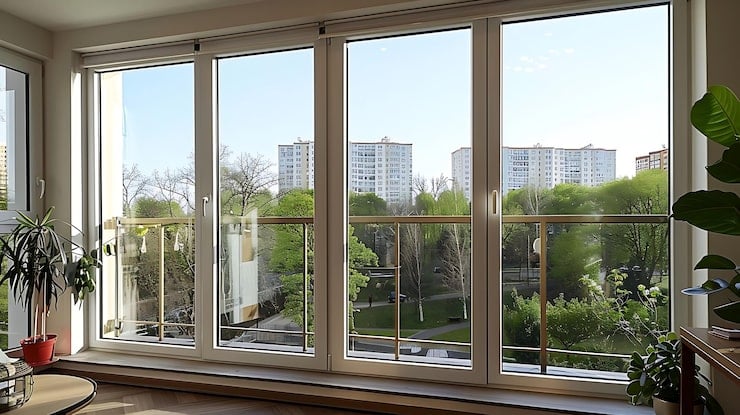
Aluminium window frames corrode when their protective oxide layer breaks down due to prolonged exposure to moisture, salt air, pollutants, or physical damage. Early signs include white powdery deposits, pitting, and discolouration. Preventive measures such as regular cleaning, re-sealing, and applying protective coatings can significantly slow deterioration and delay the need for a full window frame replacement.
If you own or manage a property in Singapore, you have likely noticed aluminium frames on windows and doors showing signs of wear — chalky white residue, bubbling paint, or rough pitted surfaces. These are not just cosmetic problems. Left unaddressed, corrosion weakens the structural integrity of your frames and compromises weatherproofing, security, and energy efficiency. Understanding what causes this degradation and catching it early can save you significant repair costs. If your frames have already reached a critical stage, this guide on window frame replacement covers the key warning signs you should not ignore.
What Causes Aluminium Window Frames to Corrode?
Aluminium is naturally resistant to rust because it forms a thin aluminium oxide layer when exposed to air. This layer acts as a self-protecting barrier. The problem arises when that layer is compromised — and in Singapore’s environment, it faces constant attack.
Singapore’s Climate Is Particularly Harsh on Metal Frames
Singapore’s year-round heat and humidity create near-ideal conditions for surface corrosion. Average relative humidity sits above 80% for much of the year, according to the Meteorological Service Singapore. High moisture levels accelerate the electrochemical reactions that degrade aluminium’s surface coating, especially in areas where water tends to pool — such as window sills, drainage channels, and frame joints.
Coastal and waterfront properties face an additional threat: salt-laden air. Chloride ions from sea spray actively break down the oxide layer, causing a specific type of deterioration known as pitting corrosion. This appears as small, deep holes on the surface rather than widespread surface staining.
Chemical and Environmental Pollutants
Urban air pollution contributes significantly to frame degradation. Acid rain — a result of sulphur dioxide and nitrogen oxide mixing with rainwater — etches into anodised or powder-coated surfaces over time. High-rise buildings in dense areas like Toa Payoh, Jurong East, or the CBD are particularly susceptible, as pollution concentrations are higher and facades are exposed to wind-driven rain from multiple directions.
Physical Damage Accelerates Deterioration
Scratches, chips, and abrasions from renovation work, improper cleaning tools, or accidental impact remove the protective surface coating. Once the bare aluminium is exposed, moisture and pollutants attack directly. This is why seemingly minor surface damage should never be left untreated.
Early Warning Signs of a Corroded Aluminium Window Frame
Catching corrosion early is the difference between a simple maintenance fix and a costly full replacement. Here is what to look out for:
- White powdery deposits — Known as aluminium oxide bloom, this chalky residue appears first on joints and corners where moisture collects.
- Surface pitting — Small craters or rough patches indicate chloride-driven corrosion penetrating the frame material itself.
- Discolouration or staining — Darkening, yellowing, or streaking on the frame surface often signals water ingress or coating breakdown.
- Peeling or bubbling finish — Powder coating or anodised layers lifting away from the base metal expose aluminium directly to the elements.
- Visible gaps or warping — Corrosion that has penetrated deeply enough may cause the frame to deform slightly, affecting the window’s seal and operability.
- Stiff or misaligned windows — If opening or closing a window becomes difficult, internal frame corrosion may be expanding joints or warping tracks.
How to Prevent Further Damage: Practical Aluminium Window Maintenance
Good aluminium window maintenance does not require specialist tools or expensive products. What it does require is consistency. Most corrosion issues that lead to expensive replacements could have been avoided with a straightforward maintenance schedule.
1. Clean Frames Regularly and Correctly
Wash frames every three to four months using mild soapy water and a soft cloth or sponge. Avoid steel wool, abrasive pads, or solvent-based cleaners — these strip protective coatings and scratch surfaces. Pay particular attention to joints, drainage channels, and the underside of sills where grime and moisture tend to accumulate.
2. Re-seal Gaps and Joints Promptly
Sealant around window frames deteriorates over time. Cracked or missing sealant allows water to enter the gap between the frame and wall, accelerating corrosion at the anchor points and behind the visible surface. Re-apply a suitable neutral-cure silicone sealant whenever you notice cracking or separation. This is one of the most cost-effective maintenance steps you can take.
3. Apply Protective Coatings
A clear lacquer or purpose-made aluminium frame protectant creates an additional barrier against moisture and pollutants. For frames near the coast or in older buildings, consider having them professionally re-anodised or re-powder-coated every eight to ten years. This restores the sacrificial protective layer that the original factory finish provided.
4. Address Window Frame Rust Prevention at the Hardware Level
The screws, hinges, stays, and fasteners embedded in aluminium frames are often made from steel or zinc alloy. These corrode faster than the aluminium itself, and when they do, the corrosion byproducts leach into the frame material. Inspect hardware annually and replace rusted components immediately. Use stainless steel fixings where possible — they are significantly more resistant in Singapore’s humid conditions.
5. Ensure Proper Drainage Around Frames
Standing water is one of the most destructive forces acting on window frames. Check that drainage weep holes at the base of window frames are clear and unobstructed. These small openings allow accumulated water to escape rather than pool inside the frame cavity. Blocked weep holes are a common — and easily overlooked — cause of accelerated frame corrosion.
When Maintenance Is No Longer Enough
There is a point at which surface treatments and cleaning cannot reverse structural deterioration. If corrosion has penetrated through the frame wall, if joints have become loose, or if the frame no longer holds a proper seal, replacement becomes the only responsible option. Continuing to maintain a heavily corroded frame can give a false sense of security while weatherproofing and security performance quietly decline.
The table below summarises when maintenance is still effective versus when replacement should be seriously considered:
| Condition | Recommended Action
|
|---|---|
| Surface chalking or minor staining | Clean and apply protective coating |
| Small areas of pitting without deep penetration | Sand, prime, and re-coat affected area |
| Cracked or missing sealant only | Re-seal immediately |
| Rusted hardware | Replace fittings with stainless steel equivalents |
| Deep pitting, visible holes, or frame deformation | Frame replacement required |
| Loose joints, water ingress, or failed seal | Frame replacement required |
Building a Long-Term Maintenance Schedule
For landlords managing multiple units or building maintenance teams overseeing larger properties, a documented inspection and maintenance schedule pays dividends. Conduct visual inspections twice a year — ideally before and after the monsoon season. Log any surface changes, hardware condition, and sealant integrity. Early intervention at the maintenance stage costs a fraction of what reactive replacement does.
If you manage an older HDB block, condominium, or landed property, factor in that original frames installed more than fifteen years ago may already be beyond what surface treatments can address. Singapore’s Building and Construction Authority (BCA) recommends periodic facade and window inspections as part of building maintenance obligations — a requirement that reinforces the value of staying proactive rather than reactive.
For a detailed assessment of whether your frames have reached the point of no return, the team at Vindar provides professional window inspections and replacement services across Singapore, helping homeowners and property managers make informed decisions before minor corrosion becomes a major structural problem.
Read more: Digital Price Tags vs Paper Price Tags: Which Is Better for Retailers?
Frequently Asked Questions
What causes white powder on aluminium window frames?
White powder on aluminium frames is aluminium oxide, a byproduct of surface corrosion caused by prolonged moisture exposure. It commonly appears at joints, corners, and areas where water pools. While early-stage oxidation can be cleaned and treated, persistent or spreading deposits indicate that the protective coating has broken down and the frame needs further assessment.
Can a corroded aluminium window frame be repaired without full replacement?
Yes, if corrosion is limited to the surface coating or minor pitting. Affected areas can be sanded, primed, and re-coated with an appropriate aluminium-compatible finish. However, if corrosion has penetrated the frame wall, caused deformation, or compromised the seal, a full window frame replacement is the safer and more cost-effective long-term solution.
How often should aluminium window frames be maintained in Singapore?
In Singapore’s humid climate, aluminium window frames should be cleaned every three to four months and inspected twice a year. Sealant should be checked annually and replaced when cracking or separation appears. Coastal or high-rise properties facing prevailing winds may require more frequent attention due to higher salt and pollutant exposure.
Does humidity in Singapore accelerate aluminium window frame corrosion?
Yes. Singapore’s average relative humidity consistently exceeds 80%, which accelerates the electrochemical degradation of aluminium’s oxide layer. High humidity combined with salt air near the coast, acid rain, and urban pollution creates conditions that significantly shorten the lifespan of untreated or poorly maintained aluminium window frames compared to drier climates.
What is the best way to prevent rust and corrosion on aluminium window frames?
The most effective approach combines regular cleaning with mild soap, prompt re-sealing of any gaps, annual hardware inspection and replacement of rusted fittings, and periodic application of a protective coating or lacquer. For older frames, professional re-anodising or re-powder-coating restores the protective surface layer and significantly extends the frame’s serviceable life.
When should I consider window frame replacement instead of repair?
Consider replacement when corrosion has caused deep structural pitting, visible holes in the frame, joint loosening, or consistent water ingress that re-sealing cannot resolve. Frames that are warped, no longer seal properly, or have hardware that cannot be salvaged have typically reached the end of their effective lifespan and are best replaced entirely.