







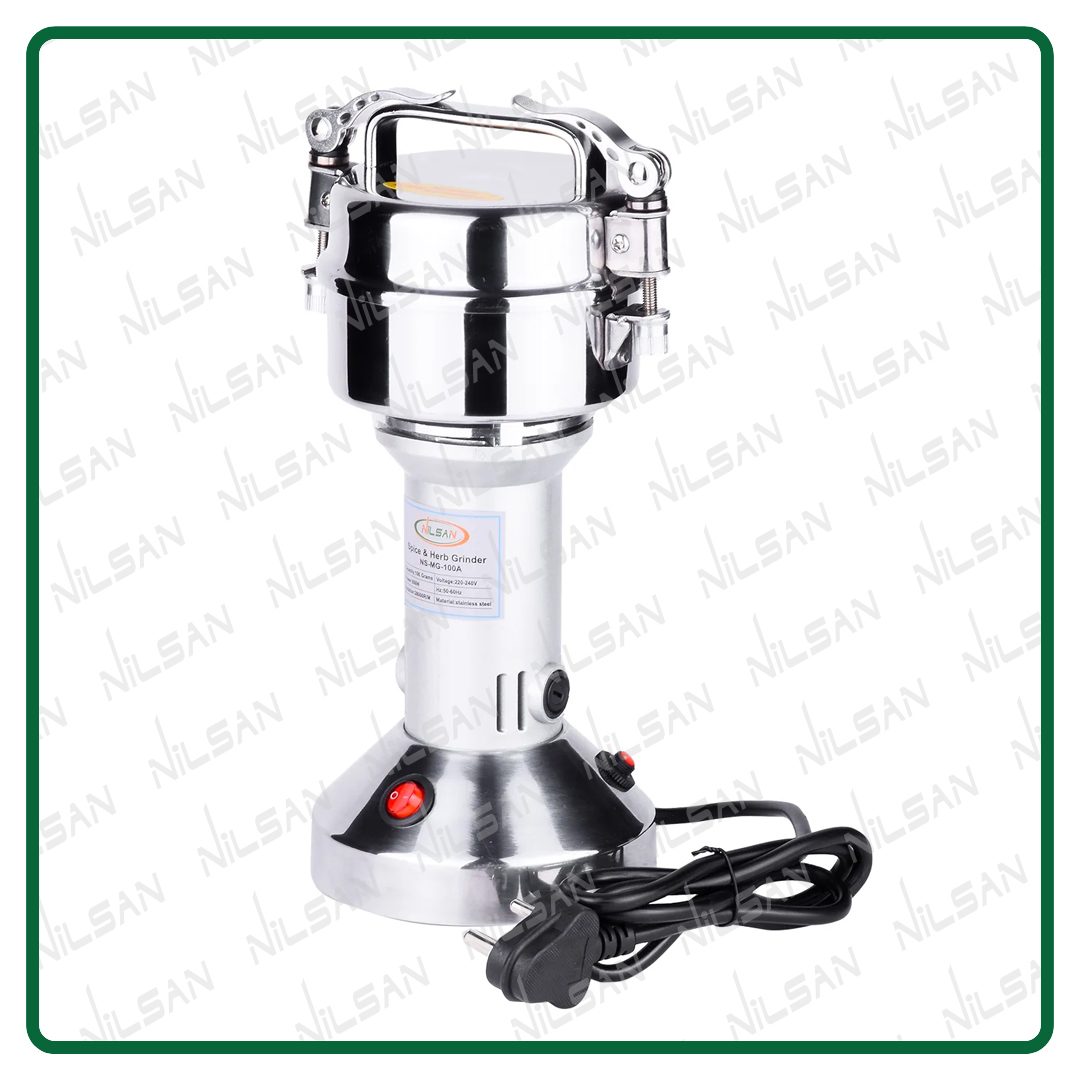
A Dry Masala Grinder is an essential machine for businesses that process spices into fine powders for cooking, packaging, and commercial use. From small spice shops to food processing units, this equipment helps grind dry ingredients efficiently while reducing the time and effort required for manual grinding.
Spices such as turmeric, red chilli, coriander, cumin, and black pepper are commonly used in Indian kitchens and food manufacturing. Processing these ingredients into a consistent powder is important for maintaining product quality and meeting customer expectations.
Whether you are planning to start a spice grinding business or improve an existing production setup, choosing the right grinder can make daily operations easier. Understanding how the machine works, its benefits, and the factors to consider before purchasing one can help you select equipment that suits your requirements.
What Is a Dry Masala Grinder?
A Dry Masala Grinder is a machine designed to grind dried spices, herbs, and other suitable dry materials into powder. Depending on its design, it uses high-speed blades, hammers, or other grinding mechanisms to reduce ingredients into smaller particles.
These machines are available in different sizes and capacities, making them suitable for home-based businesses, spice retailers, commercial kitchens, and larger food processing units.
A suitable grinder can help businesses prepare fresh spice powders, produce customised spice blends, and process ingredients for retail packaging. However, the final powder texture depends on the machine specifications, raw material characteristics, and grinding settings.
How Does a Dry Masala Grinder Work?
The working process of a Dry Masala Grinder involves preparing the ingredients, grinding them, and collecting the finished powder.
1. Preparation of Raw Materials
Before grinding, spices should be cleaned to remove dust and unwanted particles. They must also be sufficiently dry for the selected machine. Excess moisture can affect grinding performance and cause the powder to clump.
2. Loading the Grinder
The prepared ingredients are placed inside the grinding chamber. Operators should follow the manufacturer’s recommended loading capacity rather than overfilling the machine.
3. Grinding the Spices
When the machine starts, its grinding mechanism breaks the spices into smaller particles. Grinding time depends on the hardness, size, moisture content, and quantity of the ingredients.
4. Collecting the Powder
Once the desired texture is achieved, the finished powder is collected in a clean container. It can then be checked, sieved if necessary, and packed in suitable packaging.
Following the recommended operating procedure helps maintain consistent results and supports safe machine operation.
What Are the Benefits of Using a Dry Masala Grinder?
A suitable spice grinder offers several advantages for businesses involved in spice processing.
Faster Spice Processing
Grinding spices mechanically can save time compared with manual methods. This is particularly useful for businesses that process multiple batches throughout the day.
Consistent Powder Texture
A suitable grinding machine can help produce a more uniform powder when operated under appropriate conditions. Consistency is important for packaged spices, seasoning blends, and food manufacturing.
Versatile Applications
Depending on the model, a grinder can process different dry ingredients, including chilli, turmeric, coriander, cumin, pepper, grains, and selected herbs. Always confirm material compatibility with the manufacturer.
Reduced Manual Effort
Mechanical grinding reduces the physical effort involved in processing spices. It can also make production easier to organise when businesses handle regular orders.
Suitable for Different Production Needs
Compact grinders can suit smaller operations, while higher-capacity models may be more appropriate for businesses with greater daily processing requirements.
Which Industries Use a Dry Masala Grinder?
A Dry Masala Grinder is useful across several sectors where dry ingredients need to be processed into powder.
- Spice manufacturing: Producing turmeric powder, chilli powder, coriander powder, and other ground spices.
- Food processing: Preparing dry seasonings, spice blends, and ingredients for packaged foods.
- Restaurants and commercial kitchens: Grinding suitable spices in quantities required for regular food preparation.
- Herbal processing: Grinding compatible dried herbs and plant materials for suitable applications.
- Retail spice businesses: Processing spices for local customers or packaged product sales.
The required machine capacity and grinding mechanism vary according to the industry, ingredients, and expected production volume.
How to Choose the Right Dry Masala Grinder
Selecting a suitable machine requires careful consideration of your processing needs and operating conditions.
1. Grinding Capacity
Estimate how much raw material you need to process per hour or per day. Choose a machine that meets your expected workload without paying for unnecessary capacity.
2. Motor Power
Check the motor power and electrical requirements. The appropriate motor depends on the material being processed, the machine design, and the intended workload.
3. Desired Powder Fineness
Different products require different powder textures. Check whether the machine can achieve the fineness needed for your spices and whether sieves or other adjustments are available.
4. Material and Build Quality
For food processing, consider suitable food-contact materials, durable construction, and easy access to components that require cleaning.
5. Cleaning and Maintenance
Spice residues can affect the flavour and colour of subsequent batches. Choose equipment that can be cleaned according to the manufacturer’s instructions, and follow a regular maintenance schedule.
6. Budget and After-Sales Support
Compare the purchase cost, electricity requirements, spare parts availability, warranty, and technical support. These factors help you evaluate the machine’s overall suitability for your business.
Why Choose Nilsan India for a Dry Masala Grinder?
Nilsan India offers grinding equipment for different processing requirements. When exploring its Dry Masala Grinder options, review the available models and compare their capacity, motor power, construction, and suitability for your intended ingredients.
Choosing equipment based on actual production needs can help you organise your workflow and avoid investing in a machine that is either too small or unnecessarily large.
Businesses involved in other types of food and agricultural processing can also explore complementary machinery, such as an Oil Expeller, which is designed for extracting oil from suitable seeds and nuts. Although both machines process raw materials, they serve different purposes and should be selected according to the intended application.
Conclusion
A Dry Masala Grinder helps businesses process dried spices and other compatible ingredients into powder with less manual effort. From improving processing speed to supporting consistent powder quality, the right machine can make spice production more manageable.
Before purchasing, consider the required capacity, motor power, desired powder fineness, cleaning requirements, and long-term maintenance costs. It is equally important to confirm that the machine is suitable for the ingredients you intend to process.
By evaluating these factors carefully, businesses can select a Dry Masala Grinder that meets their production needs and supports reliable day-to-day operations.