





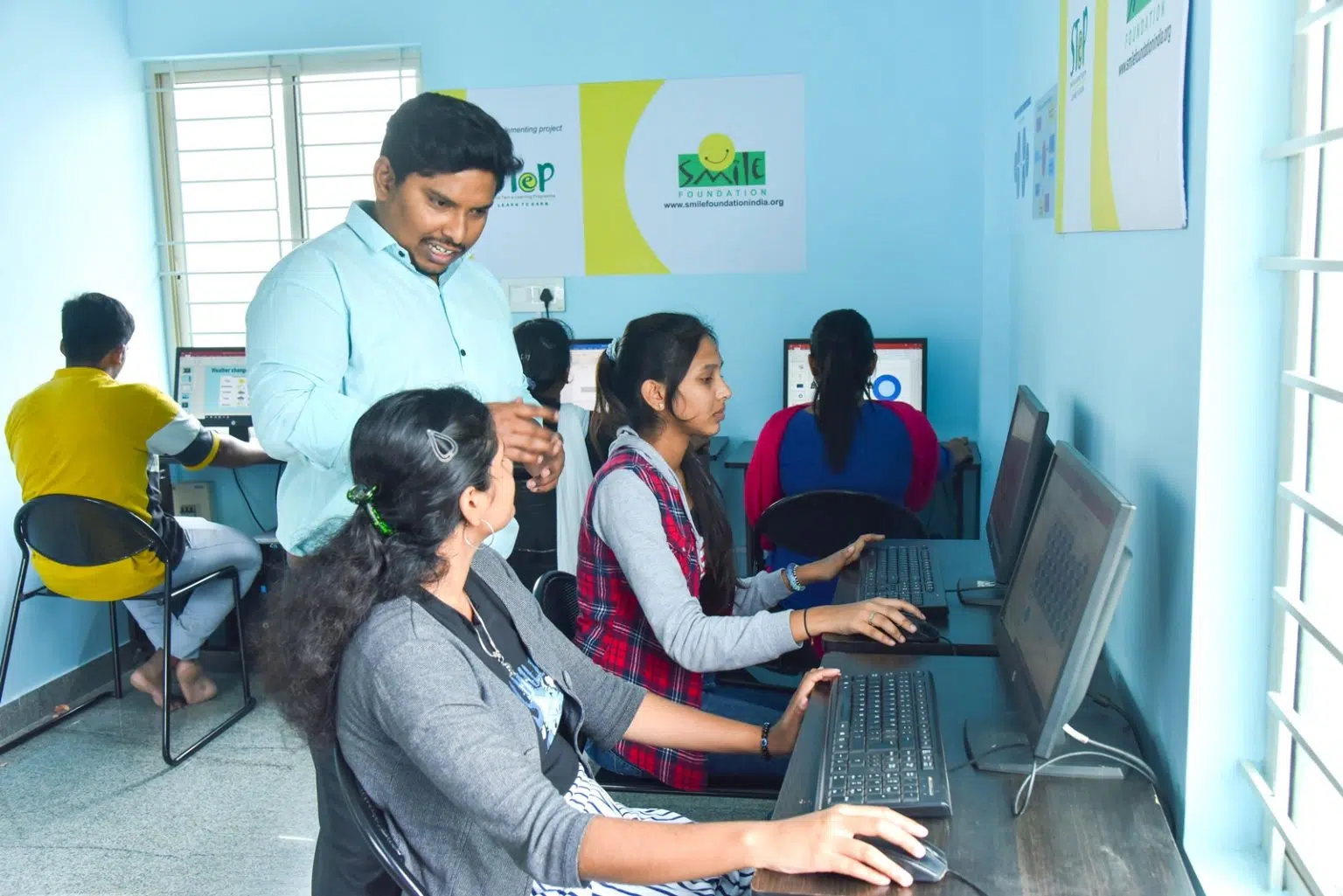
Education That Opens Doors to a Brighter Future for Every Child
A child’s future should not be decided by the circumstances into which they are born. Yet, for many children across India, financial hardship, limited school facilities, family responsibilities, and unequal access to learning resources can make education difficult to continue. Ensuring that every child has the opportunity to learn requires more than school enrolment. It calls for consistent educational support, caring teachers, suitable learning environments, and communities that value every child’s potential.
Through its work in education, Smile Foundation India highlights the importance of creating opportunities for children from underserved communities. The goal is not simply to help children enter classrooms, but to enable them to develop knowledge, confidence, life skills, and the ability to shape their own futures.
Why Quality Education Matters
Education influences almost every aspect of a child’s development. It helps children build literacy and numeracy, understand the world around them, express their ideas, and make informed decisions. It can also expand future career choices and help young people participate more confidently in their communities.
However, children facing economic hardship may experience interruptions in schooling. Families struggling to meet basic household needs may find it difficult to manage school expenses, transport, learning materials, or digital access. Children who fall behind academically may also lose confidence and become less motivated to attend school.
Improving access to quality education means recognising these challenges and addressing them through appropriate learning support, community participation, and sustained engagement with families.
Making Learning Meaningful for Children
Children learn best when lessons connect with their experiences and encourage curiosity. Reading activities, practical demonstrations, science experiments, storytelling, and collaborative projects can make concepts easier to understand.
A strong child education programme should support academic learning alongside creativity, communication, problem-solving, and emotional development. Sports, music, arts, and group activities can help children discover interests and develop teamwork.
Teachers also need suitable training and resources to respond to different learning needs. Some children may require additional help with reading or mathematics, while others may benefit from digital learning tools or practical activities that reinforce classroom lessons.
A supportive learning environment gives children the confidence to ask questions, make mistakes, and try again without fear of humiliation.
Supporting Children Beyond the Classroom
Educational progress is influenced by a child’s wider circumstances. Health concerns, inadequate nutrition, unsafe surroundings, and family stress can affect attendance and concentration.
That is why holistic child development is an important part of educational support. Collaboration between schools, families, healthcare providers, and community organisations can help identify barriers that prevent children from learning consistently.
Parents and caregivers also play a valuable role. Regular communication with teachers, encouragement at home, and a routine that supports school attendance can help children develop positive learning habits. Families should be treated as partners in education, with their circumstances and perspectives taken into account.
How Smile Foundation India Supports Education
Smile Foundation India’s education work includes Mission Education, an initiative focused on children from underserved communities. Its approach connects learning with areas such as nutrition and wellness support, teacher development, digital learning, and community engagement.
The Shiksha Na Ruke initiative reflects the importance of helping children continue their education despite difficult circumstances. Educational support can involve foundational learning, access to suitable resources, life skills, and opportunities for children to participate more fully in school life.
The wider objective of education for underprivileged children is to help reduce barriers that can limit their progress. When learning opportunities are combined with appropriate support, children have a stronger foundation for continuing their studies and exploring future possibilities.
Why Community Participation Makes a Difference
Schools cannot address every educational challenge independently. Community participation helps connect learning programmes with the realities of local families.
Parents, teachers, local organisations, and community leaders can work together to encourage attendance, identify children who need additional support, and create greater awareness about the long-term value of education. Local participation can also help ensure that programmes respond to the needs of children rather than relying on a one-size-fits-all approach.
Businesses and individuals can contribute to this wider effort by supporting educational initiatives for children, sharing relevant expertise, and encouraging learning opportunities within their communities.
Building a Future Through Continued Learning
Educational progress is not always immediate. Some children need additional time to develop foundational skills, rebuild confidence, or return to learning after an interruption. Regular assessment and patient guidance help educators understand what children need next.
It is also important to recognise that every child has different interests and aspirations. Quality education should help children explore possibilities rather than restrict them to predetermined paths.
By strengthening education and child development, communities can help children become more confident learners and active participants in society.
Conclusion
Every child deserves an opportunity to learn, grow, and imagine a future beyond present limitations. Expanding quality education in India requires accessible learning environments, capable teachers, family involvement, and support that recognises children’s wider needs.
Through initiatives such as Mission Education, Smile Foundation India works towards creating educational opportunities for underserved children. Continued collaboration between communities, schools, and social development organisations can help more children remain connected to learning and move towards a future shaped by their abilities and ambitions.