






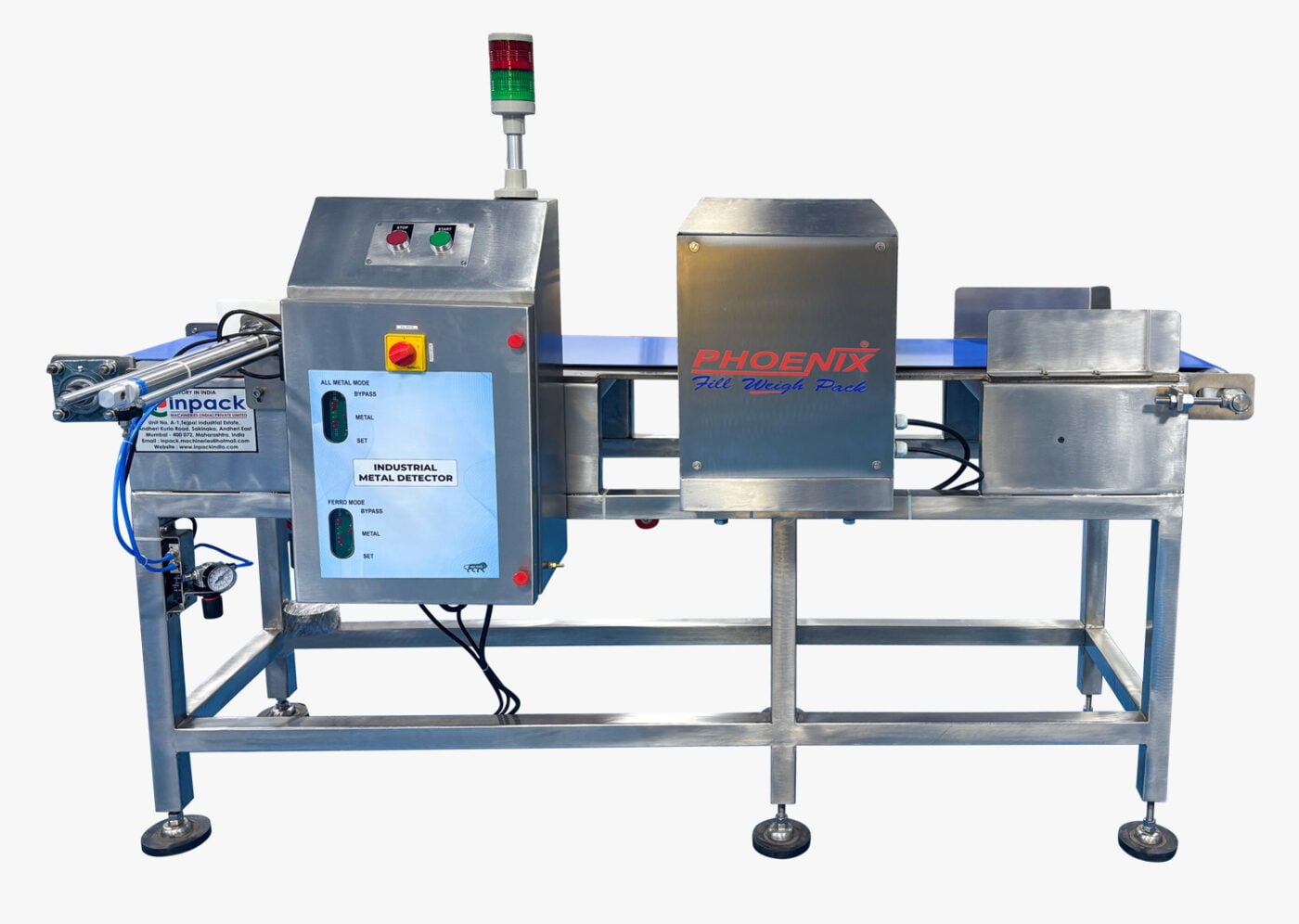
Industrial metal detectors serve as the ultimate line of defense for processing and packaging lines across the United Arab Emirates. A sudden equipment failure can halt production, damage brand reputation, and lead to costly product recalls. Plant operators looking to buy or maintain a reliable metal detector in UAE facilities must prioritize proactive maintenance to protect their investment. Keeping your detection equipment finely tuned ensures compliance with strict quality standards and extends machine lifespan.
Maintaining complex machinery does not need to be overwhelming. Routine care requires a clear plan, trained staff, and consistent checks. By taking preventative measures early, you avoid expensive emergency repairs and keep operations running smoothly every single day.
Establishing a Daily Calibration and Operational Routine
Every successful maintenance strategy starts with daily testing. Standard operating procedures should require technicians to test the system at the start of every shift using certified test pieces.
Regular Testing Procedures
Pass test samples containing ferrous, non-ferrous, and stainless steel materials through the center of the aperture. Verify that the system detects each sample and correctly triggers the rejection mechanism without delay. Documenting these test results in a daily log helps identify performance drops before complete system failures occur.
Inspecting Rejection Mechanisms
A metal detector is only as effective as its rejection system. Test mechanical pushers, air blasts, or drop flaps daily to ensure they move freely and clean contaminated products off the line completely. Worn seals or low air pressure can cause the reject device to misfire, leaving contaminated items in the final output.
Keeping Sensitive Components Clean and Dry
Dust, moisture, and chemical residues pose constant threats to electronic equipment in industrial environments. Regular cleaning prevents build-up that causes false triggers or electrical shorts.
Safe Cleaning Practices
Always disconnect power before cleaning electrical enclosures. Use soft cloths and non-abrasive, non-corrosive cleaning agents recommended by the manufacturer. Avoid spraying high-pressure water streams directly onto control panels or sensor heads unless the unit carries a specific high-grade ingress protection rating.
Managing Environmental Factors
Industrial facilities in hot coastal environments face severe humidity and dust challenges. Check enclosure gaskets regularly for cracks or flattening to prevent moist air from entering sensitive internal electronics. Replace worn seals immediately to protect internal wiring from corrosion.
Performing Scheduled Mechanical and Electrical Audits
Routine daily care must be supported by thorough periodic inspections. Schedule monthly and quarterly audits to evaluate mechanical stability and electrical integrity.
Inspecting Belts and Conveyors
Examine conveyor belts for tears, fraying, or metal contamination embedded in the belt material itself. Loose or slipping belts create speed variations that interfere with accurate detection signals. Ensure belt tension matches manufacturer specifications and replace worn transport components promptly.
Checking Electrical Connections and Grounding
Vibration from nearby machinery can loosen wiring terminals over time. Inspect all terminal blocks, cable glands, and ground wires during quarterly maintenance. Proper electrical grounding protects sensitive digital signal processors from static buildup and external electrical noise.
Investing in Professional Servicing and Quality Equipment
Internal teams handle daily care, but complex diagnostics demand specialized technical expertise. Partnering with experienced equipment suppliers ensures your system stays compliant with international audit standards.
Professional technicians carry calibrated test equipment to evaluate signal processing performance, tune automatic phase tracking, and update system firmware. Annual certified calibration audits provide the formal documentation required by food safety regulations and industrial quality standards.
Selecting durable, high-performance machinery from trusted suppliers minimizes your long-term maintenance burden. Phoenix Pack supplies robust packaging and detection solutions engineered specifically to withstand tough operating conditions. Proper care paired with high-quality machinery guarantees maximum uptime, protecting your factory output and your bottom line. Contact Phoenix Pack today to discover expert support, professional servicing, and the ideal metal detector in UAE industrial spaces.