





Operating a business in demanding industrial sectors requires clear proof of safety and quality. Many companies struggle to navigate complex international compliance rules while trying to win competitive contracts. Understanding certification standards often feels confusing. If you are wondering what does DNV stand for and how its framework impacts your business operations, this guide covers everything you need to know.
Understanding DNV and Its Core Mission
What Does DNV Stand For?
So, what does DNV stand for in global industrial regulations? DNV stands for Det Norske Veritas. Founded in Norway in 1864, the organization began as an independent body to inspect and evaluate the technical condition of Norwegian merchant vessels. Over the decades, it expanded far beyond maritime inspections into energy, oil and gas, healthcare, and heavy manufacturing.
Today, DNV operates as a world-leading registrar and classification society. The organization helps businesses manage risk, ensure structural integrity, and maintain rigorous safety protocols across their entire supply chain.
How DNV Protects Lives, Property, and the Environment
DNV sets strict technical benchmarks to prevent accidents and equipment failures. Their specialists assess structural designs, audit operational management systems, and test materials under extreme conditions. When a piece of equipment carries DNV certification, operators know it meets rigorous safety criteria.
Key Roles of DNV in Modern Industry
- Maritime and Offshore Classification: DNV establishes safety rules for ships, offshore rigs, and marine structures. They inspect vessels during construction and throughout their operational life. This process verifies that hulls, engines, and critical cargo equipment can handle harsh ocean conditions without failing.
- Energy and Sustainability Validation: The transition toward cleaner energy relies on dependable infrastructure. DNV certifies wind turbines, solar installations, and power grids. They evaluate carbon reduction strategies and verify environmental performance data so businesses can back up their sustainability claims.
- Quality Management System Certification: Beyond physical hardware, DNV audits enterprise management systems against international standards like ISO 9001 for quality and ISO 45001 for occupational health. Their independent audits highlight system vulnerabilities before they cause costly downtime or workplace injuries.
Why DNV Certification Matters in the UAE Market
- Meeting Strict Gulf Region Regulations: The UAE hosts some of the world’s most demanding offshore, marine, and construction projects. Energy majors and government infrastructure developers mandate DNV compliance for machinery, lifting gear, and container systems. Operating without these certifications limits market access and risks project delays.
- Reducing Risk in High-Hazard Environments: Extreme heat, high humidity, and marine air in the UAE accelerate material fatigue. Equipment certified by DNV guarantees resistance to harsh local conditions. Local asset owners rely on these standards to protect site workers and keep operations running smoothly.
- Building Trust with Global Project Developers: International investors and prime contractors look for recognized quality seals before signing procurement agreements. DNV certification gives local suppliers immediate credibility. It proves your equipment matches global safety benchmarks without requiring extra third-party tests.
Practical Examples of DNV Standards in Heavy Equipment
- Offshore Containers and Modular Cabins: Offshore rigs require specialized units to transfer tools and cargo safely between supply vessels and platforms. The DNV 2.7-1 standard governs the design, manufacture, and testing of offshore containers. These units feature reinforced pad eyes, heavy-duty structural steel, and specialized welding to survive high dynamic loads at sea.
- Industrial Lifting Equipment and Machinery: Overhead cranes, container handlers, and specialized winches used in maritime ports require high safety factors. DNV standards mandate strict non-destructive testing on critical load-bearing joints. This testing prevents catastrophic failures during heavy lift operations.
Partnering with Certified Industry Leaders
Navigating safety standards requires working with experienced local partners who prioritize quality execution. Companies operating in the Middle East need reliable equipment built to withstand tough working conditions while satisfying regional regulatory requirements.
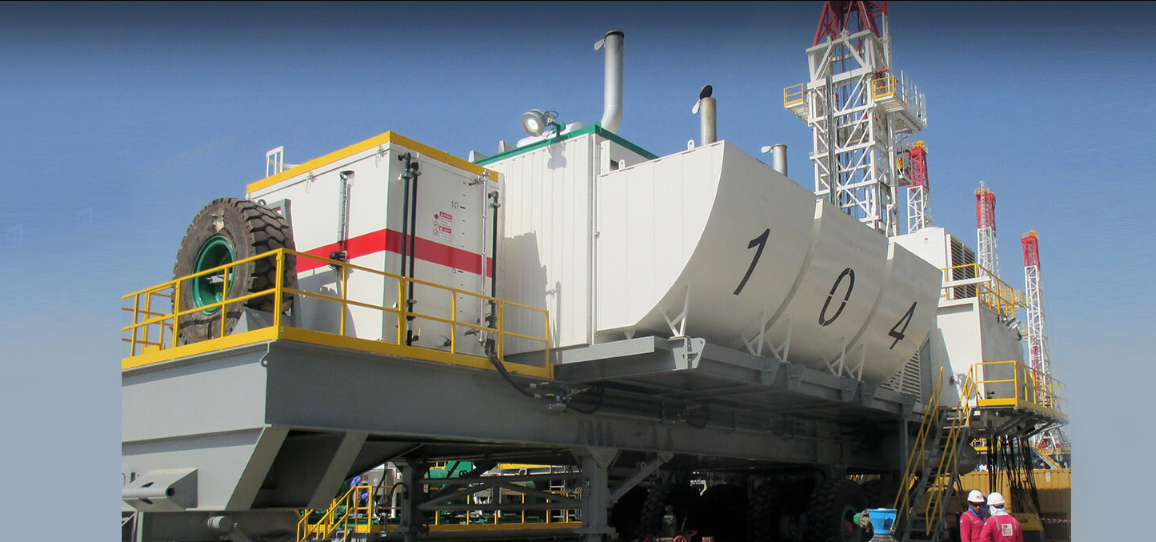
Al-Bahar MCEM stands out as a trusted equipment manufacturer and solutions provider in the UAE. They deliver high-grade industrial machinery, specialized offshore containers, and custom structural fabrications designed to meet stringent global standards. Working alongside Al-Bahar MCEM ensures your operations gain certified, dependable assets engineered for peak safety and long-term durability across the Gulf region. When planning your next major industrial project, contact Al-Bahar MCEM to secure certified equipment tailored to your exact operational requirements. Knowing what does DNV stand for empowers your business to choose certified solutions that protect your workforce and drive sustainable growth.