




Food packaging plays an important role in how customers view a food business. Before tasting a product, customers notice its appearance, packaging, and overall presentation. Clean and attractive packaging can create a positive first impression and make a product look more appealing. On the other hand, damaged, messy, or poorly designed packaging may reduce customer confidence.
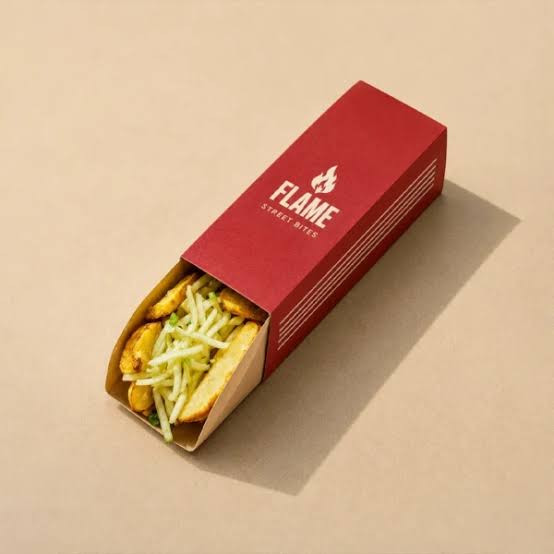
For restaurants, bakeries, cafes, and takeaway businesses, packaging is more than a way to carry food. It helps protect products, communicate brand identity, and improve the customer experience. Choosing suitable custom food boxes can help businesses present their products professionally while making their brand easier to recognize.
1. First Impressions Influence Customer Choices
Customers often form an opinion about a food product within a few seconds. Packaging is one of the first things they see, especially when shopping in stores or ordering takeaway meals.
A clean box, attractive colors, and neat printing can make food look more appealing. Good presentation also suggests that a business pays attention to detail.
Food companies should choose packaging that reflects the quality and style of their products. A simple, well-designed package can create a stronger impression than one with too many colors or unnecessary design elements.
2. Packaging Helps Build Brand Recognition
Brand recognition makes it easier for customers to remember a business. Consistent packaging designs help create a familiar appearance across different products and locations.
Using the same logo, colors, and design elements on food boxes, paper wraps, cups, and bags can make a brand more recognizable. Customers may begin to associate these visual details with their favorite food products.
A consistent design also helps businesses maintain a professional appearance across dine-in, takeaway, and delivery services.
3. Product Protection Builds Customer Confidence
Packaging must do more than look attractive. It should also protect food from damage, contamination, and unnecessary exposure during handling and transportation.
A suitable box can help keep meals organized and reduce the risk of spills. Bakery packaging can protect delicate products, while takeaway containers should support the weight and shape of the food inside.
When customers receive food in good condition, they are more likely to feel confident about the business. Reliable packaging also helps reduce complaints caused by damaged or poorly handled orders.
4. Colors and Design Affect Customer Perception
Colors can influence how customers understand a product. Bright colors may create an energetic feeling, while simple and neutral designs can give packaging a clean appearance.
The design should match the type of food and the audience. For example, a bakery may prefer soft colors and simple illustrations, while a fast-food restaurant may choose bold colors and recognizable graphics.
Businesses should avoid overcrowding packaging with too many design elements. Clear logos, readable information, and balanced layouts make products easier to recognize.
5. Convenient Packaging Improves the Customer Experience
Customers value packaging that is easy to open, carry, store, and dispose of. Difficult packaging can create frustration, even when the food itself is good.
Food boxes should close securely and provide enough space for the product. Handles, suitable lids, and practical shapes can make takeaway orders easier to manage.
Convenient packaging is especially important for delivery customers. When food arrives neatly arranged and is easy to unpack, the overall experience becomes more satisfying.
6. Sustainable Materials Can Influence Buying Decisions
Many customers pay attention to the materials used in food packaging. Businesses can consider paper-based options and other materials that meet their product and environmental requirements.
The important thing is to choose packaging that balances product protection, food safety, and practical use. Any environmental claims should be accurate and supported by the material’s actual properties.
A thoughtful packaging choice can help a business communicate its values without making promises that its products cannot support.
7. Custom Packaging Creates a More Professional Appearance
Standard packaging may serve basic needs, but customized designs allow businesses to create a consistent identity. A logo, brand colors, and simple patterns can make everyday food packaging look more distinctive.
The Wax Papers Co Packaging Collection offers businesses a way to explore packaging options for different food products and serving needs. Coordinating boxes, paper wraps, and other packaging materials can help restaurants and food brands create a more unified presentation.
Businesses should select designs and materials based on their menu, product size, and intended use rather than appearance alone.
8. Packaging Can Encourage Repeat Purchases
A positive packaging experience can help customers remember a business. When food arrives safely, looks appealing, and is easy to handle, customers may feel more comfortable ordering again.
Small details can make a difference. A neatly packed meal, a clean printed logo, and suitable packaging materials can create a more enjoyable experience.
Businesses can also collect customer feedback to understand whether their packaging is practical. Comments about spills, difficult opening, or damaged products can help identify areas for improvement.
9. Packaging Supports Marketing Beyond the Store
Food packaging can also help a brand reach people outside its physical location. Customers may carry branded takeaway bags, share food photos, or post delivery orders on social media.
A recognizable design can make the business visible to others without requiring additional advertising space. This is especially useful for cafes, restaurants, bakeries, and food trucks.
The best approach is to create packaging that customers find attractive, useful, and easy to recognize.
Conclusion
Food packaging influences customer perception by shaping first impressions, protecting products, and creating a recognizable brand identity. Attractive designs can make food more appealing, while practical materials improve convenience and product protection. Businesses that choose suitable packaging and maintain consistent branding can create a better customer experience and encourage repeat purchases. By treating packaging as an important part of product presentation, food businesses can build customer confidence and make their products stand out in a competitive market.