






Customers expect their favorite bakery products to taste and look the same every time they visit. Whether they buy cookies, bread, cakes, or pastries, consistent quality helps build trust and encourages repeat purchases. However, maintaining the same results across multiple batches can be challenging, especially when bakeries prepare large quantities every day.
Professional bakeries rely on careful planning, standard recipes, proper equipment, and trained employees to maintain product quality. Small details, such as ingredient measurements, baking temperatures, and packaging materials, can make a noticeable difference. With the right processes, bakeries can reduce mistakes, control waste, and deliver reliable products to customers.
1. Follow Standard Recipes
Using the same recipe for every batch is one of the most important steps toward consistent bakery quality. Small changes in ingredient quantities can affect taste, texture, color, and product size.
Bakeries should create written recipes with exact measurements for flour, sugar, butter, eggs, and other ingredients. Employees should follow these instructions instead of estimating quantities.
Standard recipes also make it easier to train new employees and maintain the same results across different shifts.
2. Measure Ingredients Accurately
Accurate measurements help prevent differences between batches. Adding too much flour can make baked goods dry, while excess liquid may affect their structure.
Professional bakeries often use digital weighing scales and measuring tools to control ingredient quantities. These tools help employees follow recipes more precisely.
It is also useful to check measuring equipment regularly. Accurate tools reduce guesswork and help maintain consistent product quality.
3. Use Fresh and Reliable Ingredients
Ingredient quality directly affects the final product. Old flour, poorly stored butter, or low-quality chocolate can change the taste and texture of baked goods.
Bakeries should purchase ingredients from reliable suppliers and inspect deliveries before accepting them. Check expiration dates, packaging condition, and storage requirements.
Proper storage is equally important. Keep dry ingredients in clean, sealed containers and store temperature-sensitive products under suitable conditions.
4. Control Mixing and Preparation Methods
Mixing time and technique can change the texture of bakery products. Overmixing cake batter, for example, may create a dense result, while insufficient mixing can leave ingredients unevenly combined.
Employees should follow the recommended mixing speed and preparation time for each recipe. Use suitable equipment and avoid changing methods without testing the results.
Written preparation instructions can help different employees produce similar results, even when working on separate batches.
5. Maintain Consistent Baking Temperatures
Oven temperature has a major effect on baking results. If the temperature is too high, products may brown too quickly on the outside. If it is too low, they may remain undercooked or take longer to bake.
Bakeries should monitor oven temperatures and follow the recommended baking time for each product. Regular equipment checks can help identify temperature differences before they affect production.
Using timers and written baking schedules also helps employees manage multiple batches more effectively.
6. Use Suitable Baking Paper and Liners
The materials used during baking can influence product handling and cleanliness. Suitable baking paper helps prevent sticking and makes it easier to remove cookies, pastries, and other baked goods from trays.
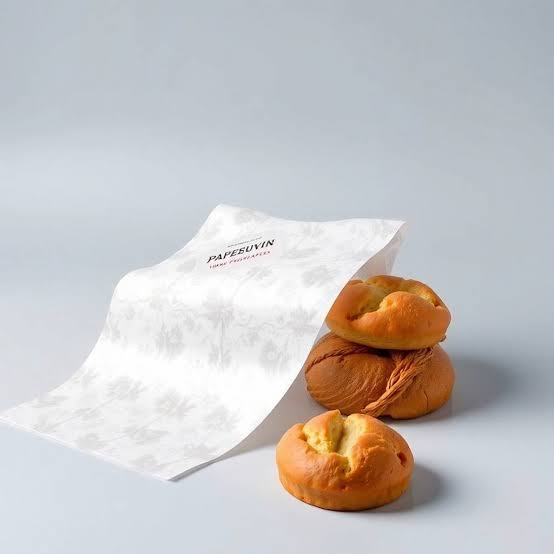
Bakeries can use custom parchment paper with logo for suitable baking and food-contact applications. It provides a practical surface for handling certain bakery products while adding a branded appearance to the production process.
For wrapping and serving finished items, custom wax paper for food can be useful when its properties match the product’s requirements. Bakeries should choose food-safe materials with suitable coatings and temperature limits for their intended use.
7. Train Employees to Follow the Same Standards
Even the best recipes cannot guarantee consistent results if employees use different preparation methods. Staff training helps everyone understand the correct procedures for mixing, baking, cooling, and handling products.
Create simple instructions for each production task. Demonstrate the expected product size, color, texture, and appearance so employees know what a finished item should look like.
Regular training also helps reduce mistakes and improves teamwork during busy production hours.
8. Check Product Quality After Baking
Quality checks help bakeries identify problems before products reach customers. Each batch should be reviewed for appearance, size, texture, and overall condition.
For example, cookies should have a consistent shape and color, while bread should have the expected crust and texture. Cakes and pastries should also be checked for proper structure and decoration.
Keep records of quality issues and identify their possible causes. This makes it easier to improve production methods over time.
9. Store and Package Products Properly
Even well-baked products can lose quality if they are stored or packaged incorrectly. Exposure to moisture, air, heat, or direct sunlight can affect freshness and texture.
Allow baked goods to cool properly before packaging when required. Use suitable food-safe bags, boxes, wraps, and containers based on the product.
Packaging should protect products during storage and transportation without damaging their shape or decoration. Clear labeling can also help employees manage product types and storage dates.
10. Review Production Processes Regularly
Professional bakeries should regularly review their production methods to find areas that need improvement. Track ingredient usage, baking times, batch sizes, customer feedback, and product waste.
If one batch consistently turns out differently, investigate the process instead of changing the recipe without a clear reason.
Regular reviews help bakeries maintain standards, improve efficiency, and make better decisions about equipment and supplies.
Conclusion
Maintaining consistent quality across every batch requires careful attention to ingredients, measurements, preparation methods, baking conditions, and storage. Professional bakeries achieve reliable results by following standard recipes, training employees, and checking finished products regularly. Choosing suitable baking and food packaging materials also supports clean handling and product protection. With organized processes and regular quality checks, bakeries can deliver products that customers enjoy and trust every time.