





Introduction
When evaluating water levels in your area (especially those with rapidly growing populations), it is important to assess how effectively your water storage system will function. HDPE pond liner provide a protective layer over the water you are storing, preventing it from coming into contact with the soil around it. This allows you to have total control over the performance of your water storage system. Landscape owners who wish to use natural methods to create a water storage system can choose to create a natural pond that does not use a liner.
Pond Liners Are Important for Water Projects
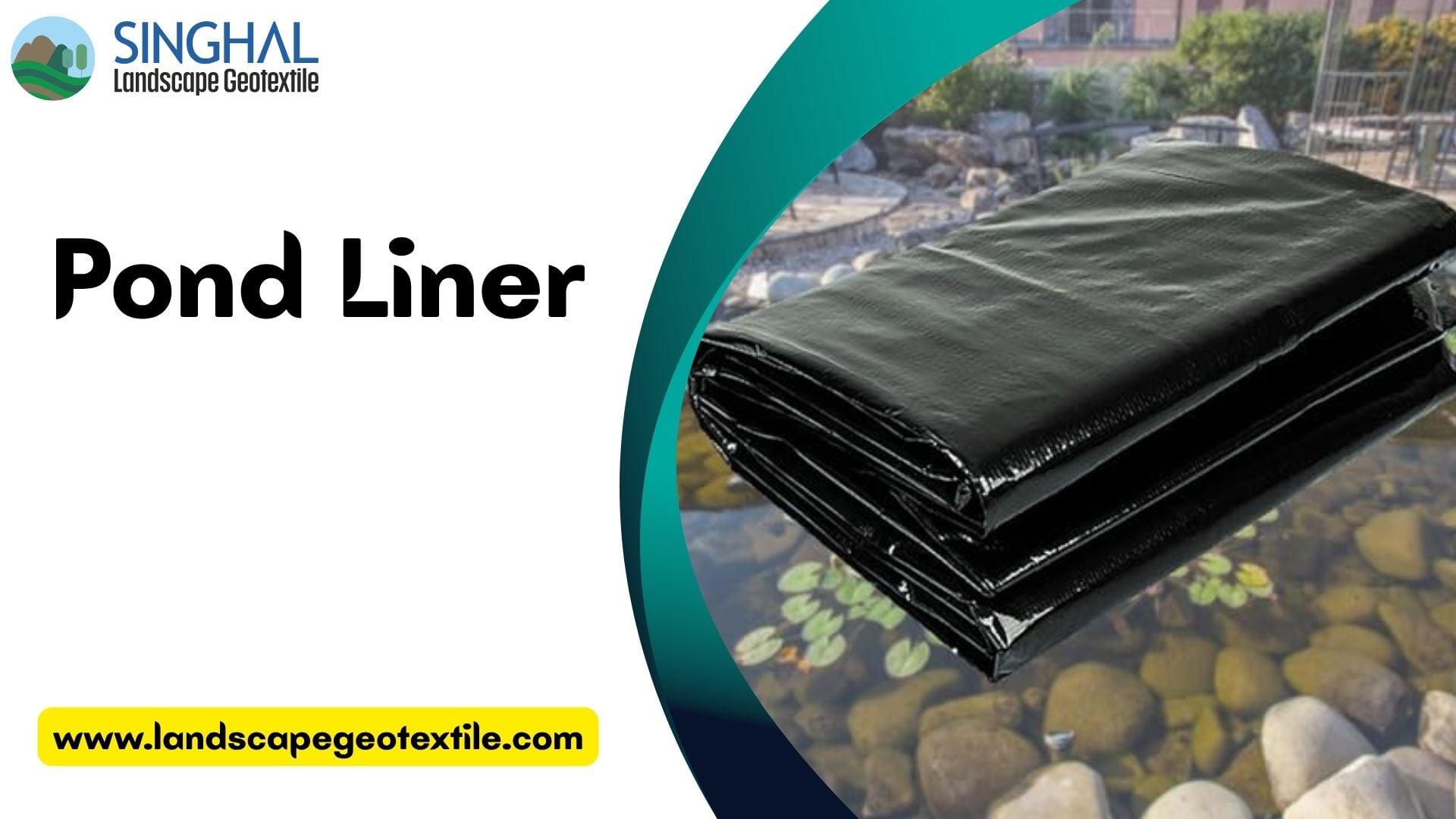
A pond liner will assist in separating water from the earth and extend the life of your project. For many different kinds of water projects, a pond liner is an excellent choice. When selecting a liner that will be used for retaining water for extended periods of time, a high-density polyethylene (HDPE) pond liner would most likely be the ideal selection. This type of product can be utilized to build or construct water features, reflecting farm ponds, or around existing water project features and maintain water on-site. Additionally, you may also be able to build a natural pond without using a liner, provided that the soil has the ability to retain water.
Garden Landscape Pond Liner
A pond is a common feature in many landscapes because it creates visual interest and provides a quiet, peaceful space within the natural world. An HDPE pond liner helps preserve the edge of the pond and prevents the loss of water into the surrounding earth. Therefore, designers can create more predictable plans when using this type of liner, particularly in areas where soils have poor drainage. If a more organic and natural look is desired, then constructing the pond without a liner may be an option. In this instance, the soil will retain water as well as possible. Ultimately, the choice to use either type of liner depends upon your design goals, what you want to achieve with your pond, how much water your pond needs to contain, how the pond relates to your entire landscape design, and how much time you intend to devote to creating and maintaining your pond.
Maintenance and Long-Term Pond Management
The amount of time and effort put into designing and caring for a completed water project will determine its success. An HDPE pond liner is used to separate the water from the soil to prevent large amounts of sediment from entering the underground water supply. To keep a pond’s ecosystem healthy, there needs to be some form of care and maintenance so that any potential problem can be caught before it becomes a major issue. Many times, managing a natural pond does not take much effort. By using the natural movements of the soil, plants, and water, along with the weather and climate, the pond can be managed with very little maintenance. Similarly, constructing a Building a natural pond without liner takes some careful management of the surrounding area and a good amount of water. Both methods need to take into consideration the surrounding area and the water availability based on seasons in order to adequately manage the pond.
Make a Garden Pond with a Fountain
HDPE (High-Density Polyethylene) pond liners are easy to use when creating garden ponds. Garden ponds are aesthetically pleasing additions to any backyard and increase the value of the surrounding properties. Backyard owners have several choices of pond liners that will determine the final dimensions of their ponds. Backyard owners can create many different types of ponds for different purposes. These include, but are not limited to, hotel ponds, resort ponds, park ponds, backyard ponds, etc. Backyard ponds can be a visually appealing addition to any property and can also serve as a source of moving water. It is possible to create natural ponds without a pond liner. However, creating a natural pond without a pond liner depends upon many variables, such as the surrounding topography, the quantity of water required for the pond, the maintenance level the backyard owner is willing to perform on the pond, the intended function of the pond, and the soil characteristics.
Factors to Consider Before Starting a Pond Project
The level of difficulty in building a pond is dependent on several variables. These include: soil type and slope of your property; size requirements for the pond; water consumption; surrounding area; and what you plan to use the pond for.
Attractive Homes
A high-density polyethylene (HDPE liner is the best choice when designing a pond within a landscape design because it will provide you with a long-lasting body of water in any shape that you desire. Therefore, you can design a pond in a location and in a shape that will complement other features on your property. There are many options for designing a pond without using a liner; however, this type of design provides the opportunity to design a “natural”-looking pond that can be used as a habitat for aquatic plants and animals similar to those found in garden ponds or fish ponds. The selection of which type of pond design to use is primarily determined by your water requirements, the manner in which you intend to utilize the pond, and the attributes of your property.
Conclusion
There are many factors that will determine when and where to build a pond on your property. Your hobby interests, such as backyard landscaping and/or gardening, may influence your decision; your livelihood, such as managing the water supply for farmland, may also affect your choice; and your social responsibility, such as conserving wildlife habitat, may play a role in your decision-making process. A high-density polyethylene (HDPE) pond liner gives you the freedom to choose when and where to add water to your pond. Without the use of a pond liner, however, you would only be able to create ponds requiring water in areas that are suitable for doing so.
Frequently Asked Questions
Who is the largest manufacturer of Pond Liner?
Singhal Landscape Geotextile is a renowned manufacturer who offers several types of pond liner solutions, with superior seals and quality, and tested farm applications across the country.
Is an HDPE Pond Liner Way Better?
In using an HDPE pond liner, there would be no water loss, and thus improve irrigation efficiency and increase water availability in a better way.
Is an Unlined Natural Pond Mandatory on Every Hectare?
If you don’t have soil that naturally retains water (e.g. clay), a pond liner is the only option. Farmers are often required to construct them.
How Does the Use of a Pond Liner in Irrigation Function?
A pond liner retains water better and ensures a reliable supply of irrigation water, thereby increasing crop health. It improves irrigation management and practices at the farm level.
What Is the Expected Life of a Good Pond Liner in Regard to Agricultural Use?
A pond liner creates a water reservoir, increases its life, and eliminates farming-related activities and supports. The watering system then becomes even more useful.