





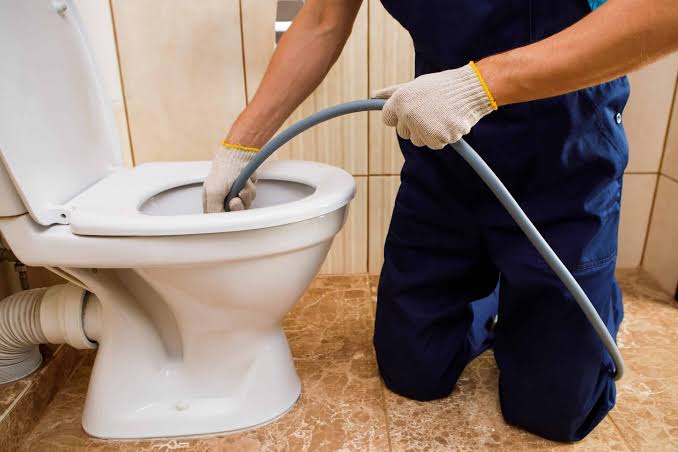
Professional Toilet Repair in Edmonton: What Every Homeowner Should Know
It always happens at the worst time. Guests are arriving, the family is getting ready for work, or it is the middle of an Edmonton January night when the temperature outside is -30°C. The toilet runs nonstop, clogs for the third time this week, or starts leaking onto the bathroom floor.
A toilet is one of the hardest-working fixtures in your home. Most households flush it five or more times per person every day, and small problems can turn into water damage, high utility bills, or a flooded bathroom surprisingly fast.
This guide explains the most common toilet problems Edmonton homeowners face, which ones you can safely handle yourself, and when professional toilet repair in Edmonton is the smarter and cheaper choice. You will also find typical cost ranges, real-world examples, a pros and cons comparison of DIY versus hiring a plumber, and answers to frequently asked questions.
A note on sources and experience: the guidance below reflects widely accepted plumbing practice and general Edmonton conditions. Cost figures are estimates and vary by company, so always request a written quote before work begins.
Why Toilet Problems Are So Common in Edmonton
Every city has its own plumbing challenges, and Edmonton has a few that make toilet trouble more likely.
Moderately Hard Water
Edmonton’s municipal water is treated and safe to drink, but like much of the Prairies it contains dissolved minerals. Over time, those minerals can build up inside the tank and around the fill valve, flapper, and rim jets. The result is weak flushes, slow refills, and parts that wear out sooner than expected.
Extreme Temperature Swings
Edmonton winters are long and cold. Basement bathrooms, older homes with poorly insulated exterior walls, and cabins or garage suites can all experience pipe stress from freezing and thawing. Supply lines and shut-off valves are especially vulnerable.
Older Housing Stock
Many Edmonton neighbourhoods include homes built decades ago. Older toilets may use 13 litres or more per flush and rely on worn rubber parts, corroded bolts, and aging wax rings. Modern high-efficiency toilets typically use about 4.8 to 6 litres per flush, so replacement can also lower your water bill.
The 8 Most Common Toilet Problems (and What Causes Them)
1. A Toilet That Keeps Running
If you hear water trickling after the flush ends, something inside the tank is not sealing properly. The usual culprits are a worn flapper, a misadjusted float, a faulty fill valve, or a chain that is too long or too short. A running toilet can waste hundreds of litres a day, which shows up on your utility bill.
2. Frequent Clogs
Occasional clogs happen to everyone. Repeated clogs, however, can point to a partial blockage in the drain line, a buildup in the toilet trap, or low flush power caused by clogged rim jets. Flushing wipes labelled “flushable” is a leading cause of blockages, since many do not break down like toilet paper.
3. Weak or Incomplete Flush
Mineral deposits, a low water level in the tank, or a partially blocked vent stack can all reduce flushing strength. If you must flush twice every time, the fix is usually simple but needs the right diagnosis.
4. Leaking at the Base
Water pooling around the toilet base usually means the wax ring has failed or the closet bolts have loosened. This is not a problem to ignore. Moisture can seep into the subfloor, cause rot, and encourage mould growth.
5. Leaking from the Tank
Cracked tanks, worn tank-to-bowl gaskets, and loose supply line connections can all cause leaks. Condensation on the outside of the tank, common in humid summers, is often mistaken for a leak.
6. Wobbling or Loose Toilet
A toilet that rocks is not secure. Loose bolts, an uneven floor, or a damaged flange can be the cause. Left alone, a wobble will eventually break the wax seal.
7. Phantom Flushing
If your toilet refills by itself every few minutes, water is slowly leaking from the tank into the bowl. A failing flapper is the most common reason.
8. Gurgling Sounds or Bubbling
Gurgling can indicate a venting problem or a blockage deeper in the drain line. If other fixtures like the sink or tub also gurgle, the issue is larger than the toilet itself and warrants a professional inspection.
Quick Checks You Can Safely Do Yourself
Not every toilet problem needs a service call. These basic steps are safe for most homeowners:
- Shut off the water. Turn the valve behind the toilet clockwise before opening the tank.
- Try the food-colouring test. Add a few drops of dye to the tank. If colour shows up in the bowl within 15 minutes without flushing, the flapper is leaking.
- Use a flange plunger. A flange (or bell-shaped) plunger works better on toilets than the flat cup type.
- Check the chain. It should have about a half-inch of slack. Too tight keeps the flapper from sealing.
- Clean the rim jets. A small mirror and a wire or small brush can clear mineral buildup.
If these steps do not fix the issue within an hour or two, stop. Over-tightening bolts, forcing a snake into the wrong place, or mixing chemical drain cleaners can make things worse, and chemical cleaners can damage porcelain and harm older pipes.
When to Call for Professional Toilet Repair in Edmonton
Call a licensed plumber if you notice any of the following:
- Water leaking at the base of the toilet or on the ceiling below
- Clogs that return within days
- Sewage odours or gurgling from multiple fixtures
- Water backing up into a tub, shower, or floor drain
- A cracked bowl or tank
- A toilet that rocks even after tightening the bolts
- Any plumbing issue in the middle of the night or during a winter cold snap
Hiring a professional gives you more than a quick fix. A trained plumber can find the root cause, which prevents repeat visits. Under Alberta rules, plumbing work generally requires proper permits and must meet the Alberta Building Code, so licensed professionals are also your safest route if the repair involves altering pipes or drains. Always confirm a contractor’s licensing and insurance before hiring.
What Happens During a Professional Toilet Repair Visit
Knowing what to expect makes the process less stressful. A typical visit includes:
- Inspection and diagnosis. The plumber checks the tank components, supply line, shut-off valve, seals, and drain.
- Clear explanation and quote. You should hear what is wrong, what the options are, and what each costs before work starts.
- Repair or replacement. Common repairs include replacing the flapper, fill valve, wax ring, or closet bolts, or snaking and clearing the drain line.
- Testing. The plumber flushes multiple times, checks for leaks, and confirms the toilet is stable.
- Cleanup and advice. Good technicians leave the bathroom clean and give maintenance tips.
How Much Does Toilet Repair Cost in Edmonton?
Prices vary depending on the problem, time of day, and the company. As a rough guide for planning purposes only:
| Service | Typical Range (CAD) |
| Flapper or fill valve replacement | $120 to $250 |
| Wax ring replacement and re-seating | $175 to $350 |
| Clog removal (snaking) | $150 to $350 |
| Full toilet replacement (labour only) | $200 to $450 |
| After-hours or emergency call-out | Additional premium |
These are estimates, not quotes. Ask whether the price includes parts, taxes, and travel, and whether there is a diagnostic fee.
Real-Life Scenarios from Edmonton Homes
The following are illustrative examples of common situations, based on typical service calls.
Scenario 1: The Mystery Water Bill
A homeowner in a 1990s home noticed their water bill climbing by nearly 30% with no change in habits. The cause was a silently running toilet with a worn flapper. A short repair visit and a $20 part ended the waste. Lesson: unusual water bills are worth investigating early.
Scenario 2: The Soft Floor
A family in an older bungalow noticed a small damp spot near the toilet base and assumed it was condensation. Months later the flooring felt soft. The wax ring had failed, and moisture had reached the subfloor. The repair involved replacing the wax ring, the flange bolts, and a section of damaged subfloor. Lesson: base leaks never fix themselves, and fast action saves money.
Scenario 3: The Winter Emergency
During a deep freeze, a basement toilet began backing up. A technician found a partial blockage in the main drain compounded by cold conditions. Because the homeowner called right away, cleanup stayed minimal. Lesson: backups call for immediate professional help, not repeated flushing.
DIY vs. Hiring a Professional: Pros and Cons
DIY Toilet Repair
Pros
- Lower cost for simple parts like flappers
- Immediate action on minor issues
- Useful skill for homeowners
Cons
- Misdiagnosis is common
- Risk of cracked porcelain or damaged seals
- Hidden leaks may go unnoticed
- No warranty on your own labour
Professional Toilet Repair
Pros
- Accurate diagnosis and lasting solutions
- Proper tools, including drain cameras and augers
- Work often backed by a warranty
- Faster results, especially in emergencies
- Compliance with local codes
Cons
- Higher upfront cost than a DIY part
- Scheduling may be required outside emergency hours
For anything beyond a simple flapper swap, professional repair usually proves cheaper in the long run.
How to Choose the Right Edmonton Plumber
Not every provider offers the same level of care. Look for:
- Valid licensing and insurance. Ask for proof.
- Transparent pricing. Written estimates with no surprise fees.
- Local experience. A plumber who understands Edmonton’s climate, water, and housing is better prepared.
- Real reviews. Check recent Google reviews and look for detailed, balanced feedback.
- Availability. A reliable 24-hour plumber in Edmonton matters when problems strike after hours.
- Range of services. A full-service company can handle related issues without sending you elsewhere.
Many reputable companies handle far more than toilets. A trusted Edmonton emergency plumber typically also offers expert plumbing services in Edmonton such as Edmonton pipe leak repair, faucet repair service and maintenance in Edmonton, Edmonton kitchen plumbing, and sump pump replacement in Edmonton. Some also provide Edmonton furnace repair and maintenance and #1 Expert Water Heater Repair Edmonton, which is convenient when you want one reliable contact for the whole home.
Preventing Future Toilet Problems
A little routine care goes a long way:
- Flush only toilet paper and human waste. Skip wipes, even if the label says “flushable.”
- Clean the tank and rim jets every few months to control mineral buildup.
- Replace the flapper and fill valve every 4 to 5 years, or sooner if you notice issues.
- Inspect supply lines for bulging or corrosion each year.
- Keep bathrooms heated in winter, especially in basements and outbuildings.
- Avoid chemical drain cleaners in toilets.
- Fix small leaks promptly. Early action is nearly always cheaper.
It also helps to review your home’s other water systems at the same time. A slow leak under a faucet, a ageing water heater, or a sump pump that has not been tested can lead to larger problems that no one notices until it is too late.
Frequently Asked Questions
How long does a professional toilet repair take?
Most repairs, such as replacing a flapper, fill valve, or wax ring, take about 30 minutes to two hours. Clogs and replacements can take a bit longer.
Is a running toilet really a big deal?
Yes. Even a small leak can waste a large amount of water over weeks. It also stresses components and raises your bill.
Can I repair a cracked toilet bowl?
In almost all cases, no. Cracks in porcelain generally mean replacement, since patches are unreliable and can fail suddenly.
How often should a toilet be replaced?
With decent care, a toilet can last 15 to 30 years. Replace it sooner if it has recurring problems, cracks, or uses far more water than modern models.
Do plumbers in Edmonton offer emergency service?
Many do. Look for a plumber who advertises 24-hour availability, and ask about after-hours rates up front.
Why does my toilet gurgle?
Gurgling usually points to a drain or venting issue. If it affects more than one fixture, call a professional soon.
Will a new toilet save me money?
Often, yes. Replacing an older high-volume toilet with a modern high-efficiency model can noticeably cut water use, especially in busy households.
Conclusion: Don’t Wait on a Toilet Problem
Toilet trouble rarely improves on its own. A small leak becomes a rotted subfloor, a minor clog becomes a backup, and a quiet running tank quietly raises your bill. In a city where winters are harsh and many homes are decades old, acting early is the best protection for your home and your budget.
To recap:
- Know the common warning signs: running water, repeated clogs, base leaks, and wobbling.
- Handle simple checks yourself, but stop when the problem persists.
- Choose professional toilet repair in Edmonton for leaks, backups, and recurring issues.
- Pick a licensed, insured, locally experienced plumber with transparent pricing.
- Maintain your toilet and nearby systems to avoid costly surprises.
Ready to fix that toilet for good? Contact a licensed Edmonton plumber today for a clear quote and fast service. If you found this guide helpful, share it with a friend or neighbour, and leave a comment below with your toughest toilet problem. We read every one and love to help