




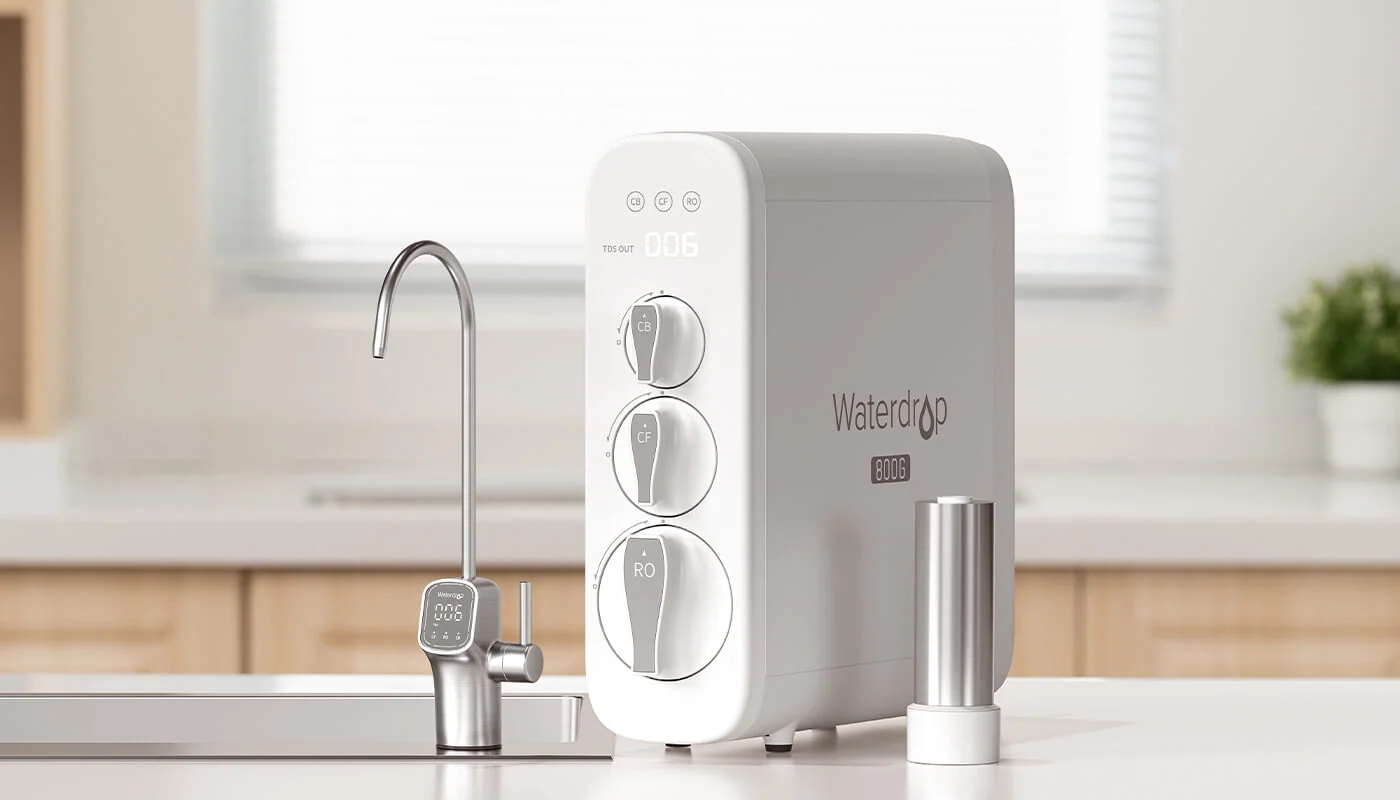
Clean drinking water is essential for everyday life. Whether you are filling a glass of water, preparing tea, or cooking meals for your family, water quality plays an important role in your daily routine. However, the quality of tap water can vary depending on its source, treatment process, and distribution system. A suitable water filter can help reduce certain unwanted substances and improve the taste and odor of drinking water.
With different filtration technologies available, choosing the right water filter for your home can feel overwhelming. Understanding how water filters work, their potential benefits, and the features to consider can help you make an informed decision.
In this guide, we will explore the benefits of using a water filter, the different types available, and practical tips for selecting and maintaining a filtration system for your household.
What Is a Water Filter?
A water filter is a device designed to remove or reduce certain impurities from water. Depending on its technology, it may reduce particles, chlorine, unpleasant odors, selected metals, or other contaminants.
Different filtration systems use different methods. Some rely on activated carbon, while others use reverse osmosis, sediment filtration, or multiple filtration stages. The substances a filter can reduce depend on its design, certification, and maintenance.
Before purchasing a water filter, identify the potential concerns with your water supply and check whether the system is specifically tested to address them.
1. Improves the Taste and Smell of Drinking Water
One of the most noticeable benefits of a water filter is improved water taste and odor. Some municipal water supplies use chlorine during treatment to help control harmful microorganisms. Although this treatment is important, chlorine can sometimes affect the taste or smell of drinking water.
Certain activated carbon filters can reduce chlorine and improve the overall drinking experience. This may make filtered water more appealing for drinking, preparing beverages, and cooking.
However, not every filter removes the same substances. Check the product specifications to understand which taste- and odor-related issues a particular model is designed to address.
2. Helps Reduce Certain Contaminants
Depending on the filtration technology, a water filter can reduce specific contaminants that may be present in a water supply.
For example, some certified systems are designed to reduce lead, selected heavy metals, chlorine, or particular chemical compounds. Reverse osmosis systems can reduce a range of dissolved substances when properly designed and maintained.
It is important to remember that no single water filter removes every possible contaminant. A filter’s effectiveness depends on the specific model and the substances it has been tested to reduce.
If you have concerns about your drinking water, consider reviewing your local water quality report or arranging appropriate water testing before choosing a system.
3. Provides Convenient Access to Filtered Water
A home water filtration system can make filtered drinking water more convenient to access. Instead of regularly purchasing bottled water, you may be able to filter water directly from your kitchen tap or a dedicated filtration unit.
Depending on the system, filtered water may be available through a countertop device, an under-sink unit, or a compatible filtration pitcher.
Convenience is particularly valuable for busy households that use drinking water throughout the day. Before buying a system, consider your household size, daily water consumption, installation requirements, and available kitchen space.
4. May Help Reduce Dependence on Bottled Water
For households that frequently purchase bottled drinking water, a suitable home filtration system may provide an alternative for everyday use.
Using a refillable bottle with filtered water can reduce the need to purchase single-use plastic bottles. It may also reduce the storage space required for bottled water.
However, the environmental and financial benefits depend on the filter’s purchase price, replacement cartridges, water usage, and local bottled-water costs. Compare these factors to determine whether a filtration system makes sense for your household.
5. Supports Everyday Cooking and Beverage Preparation
Water is an important ingredient in many everyday recipes. Filtered water can be used for making tea, coffee, soups, rice, and other meals.
If your tap water has a noticeable chlorine taste or odor, using an appropriate filter may improve the flavor of beverages and certain dishes. The results will depend on your original water quality and the filter’s capabilities.
A filtration system can also make it convenient to access water for cooking without needing to purchase bottled water separately.
6. Offers Different Filtration Options for Different Needs
Water filters are available in several designs, allowing households to choose a solution based on their budget, available space, and water quality concerns.
Activated Carbon Filters
Activated carbon filters are commonly used to improve taste and odor. Certain models can also reduce specific chemicals, depending on their design and testing.
They are available in pitchers, faucet-mounted devices, countertop units, and under-sink systems.
Reverse Osmosis Systems
Reverse osmosis systems push water through a specialized membrane to reduce many dissolved substances. They often use multiple filtration stages.
These systems may require installation, regular maintenance, and replacement filters. Some also produce wastewater during the filtration process.
Sediment Filters
Sediment filters capture particles such as sand, rust, and other suspended material. They are often used as a preliminary filtration stage to help protect other components in a larger system.
A sediment filter alone does not necessarily make unsafe water safe to drink.
Whole-House Water Filters
Whole-house filtration systems treat water entering a home. Depending on their design, they may help address sediment, chlorine, or other specific concerns throughout the property.
These systems require careful selection because different filtration media target different substances.
7. How to Choose the Right Water Filter for Your Home
Choosing the right filtration system starts with understanding your water supply and household needs.
Identify Your Water Quality Concerns
Consider whether your main concern is taste, odor, sediment, or a particular contaminant. If you rely on a private well or have concerns about water safety, appropriate testing can help identify which treatment methods may be necessary.
Check Independent Certifications
Look for products tested or certified by reputable organizations against relevant standards. Different certifications address different claims, so confirm that the specific contaminant you want to reduce is covered.
Compare Filter Lifespan
Water filters need replacement according to the manufacturer’s recommendations. Compare the expected cartridge lifespan, replacement costs, and availability of compatible filters before purchasing.
Consider Installation Requirements
Some filters require no permanent installation, while others need plumbing connections or professional assistance. Choose a system that fits your kitchen layout and installation preferences.
Calculate the Long-Term Cost
The initial purchase price is only one part of the total cost. Consider replacement cartridges, installation, maintenance, and expected water usage to estimate the overall expense.
8. Why Consider Waterdrop Water Filters?
Waterdrop offers water filtration products in different categories, including systems designed for countertop use, under-sink installation, and reverse osmosis filtration. The appropriate option depends on the water quality concerns you want to address and the features you need.
When comparing products, look at filtration performance, capacity, installation requirements, cartridge replacement intervals, and ongoing maintenance costs. Avoid assuming that all systems from the same brand have identical capabilities.
When researching a Waterdrop Water Filter Review, compare feedback about installation, everyday convenience, filter replacement, water taste, and customer support. Also verify the specifications and certifications of the exact model you are considering.
Choosing a filtration system based on your water quality and household requirements is more useful than selecting a product based on brand name alone.
9. How to Maintain Your Water Filter
Regular maintenance is essential for keeping a water filtration system working as intended.
- Replace cartridges on schedule: Follow the manufacturer’s recommended replacement interval and any applicable capacity limits.
- Clean the system as directed: Use only the cleaning methods recommended for your specific model.
- Check for leaks: Inspect connections and fittings regularly, particularly after changing a filter.
- Follow installation instructions: Correct installation helps the system function as designed.
- Monitor performance: Changes in water flow, taste, or odor may indicate that maintenance is needed, although they cannot reliably identify every water quality problem.
- Use suitable replacement parts: Choose compatible filters that meet the specifications for your system.
A well-maintained filter is more likely to provide the performance described by its manufacturer. Remember that filtration does not replace necessary disinfection when water is unsafe due to harmful microorganisms.
10. Common Water Filter Buying Mistakes to Avoid
Before purchasing a water filter, keep these common mistakes in mind:
- Assuming every filter removes all contaminants
- Choosing a system without understanding your water quality
- Ignoring replacement cartridge costs
- Overlooking installation and maintenance requirements
- Buying a product without checking its performance claims
- Forgetting to replace cartridges on time
- Assuming filtered water is automatically safe regardless of the source
Taking time to compare filtration technologies and product specifications can help you avoid unnecessary expenses and choose a suitable system.
Final Thoughts
Using a suitable water filter can improve drinking water taste, reduce certain contaminants, and make filtered water more convenient to access at home. Depending on the technology, a filtration system may also reduce reliance on bottled water and simplify everyday cooking and beverage preparation.
The best water filter for your household depends on your water quality, specific treatment needs, available space, and budget. Check independent certifications, compare maintenance costs, and follow the manufacturer’s instructions to get the most from your system.
With informed product selection and regular maintenance, a water filter can become a practical part of your home’s daily water routine.