







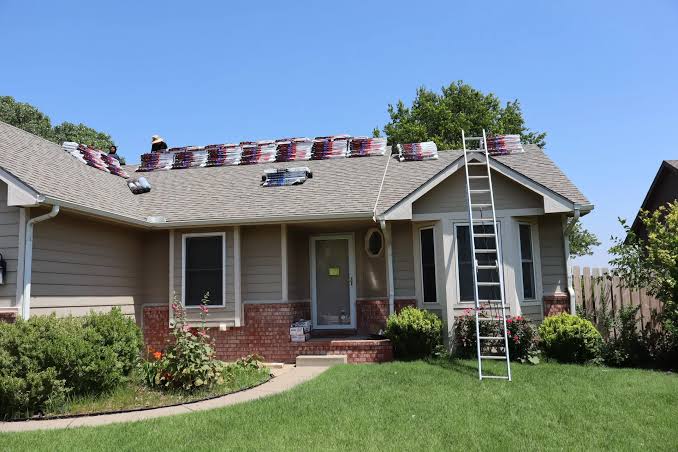
Severe thunderstorms, large hail, heavy rain, and strong wind gusts can damage roofing materials, flashing, vents, and gutters in a matter of minutes. Turning to Storm Damage Roofing Services helps homeowners and property managers check whether a recent storm caused real functional damage or left the roof intact. Because two neighboring properties can experience very different hail or wind patterns during the same storm, guessing from the ground rarely tells the full story. Timely evaluation helps catch hidden vulnerabilities before follow-up rain or wind creates indoor leaks.
How Storm Damage Roofing Services Assess Real Weather Impact
Effective Storm Damage Roofing Services evaluate both the specific area of concern and surrounding roof components—such as shingles or membranes, flashing, vents, ridge caps, and drainage details—while separating weather damage from normal aging. Hail size, wind speed, roof slope, material type, orientation, and existing wear all influence how a roof responds to severe weather. For example, dents on soft metal vents or gutters offer helpful clues, yet exposed metal impact alone does not automatically mean every surrounding roofing material has failed. Clear photo-backed findings help property owners see what is affected, what remains serviceable, and what step fits best.
Why Prompt Action Prevents Secondary Moisture Damage
Waiting weeks after a storm to check for lifted shingles, bruised materials, torn flashing, or compromised sealants can allow rain to work beneath the surface. Once water reaches underlayment, decking, or insulation, a localized repair can turn into a much wider moisture or interior repair problem. Moving valuables, catching active drips safely, and arranging a roof-level inspection once weather clears helps limit secondary damage. Early documentation also gives property owners clearer records while storm timelines are fresh.
Common Storm Issues and Restoration Steps After Severe Weather
Storms affect residential and commercial roofs in different ways depending on roof design, tree cover, and storm intensity. Typical post-storm needs include:
-
Roof-Level Storm Inspections: Checking affected slopes or membranes, flashing, vents, and connected exterior details and documenting visible findings.
-
Temporary Leak and Weather Protection: Applying emergency tarping or temporary patches when storm damage exposes the roof to active rain.
-
Localized Wind and Hail Repairs: Fixing bruised, creased, cracked, or missing roofing components when damage is limited to a specific area.
-
Flashing, Vent, and Trim Corrections: Re-securing or replacing wind-lifted edge metal, vents, soffit, fascia, or trim tied to the roof system.
-
Gutter and Drainage Checks: Inspecting gutters and downspouts for storm dents, detachment, or debris blockages affecting runoff.
-
Broader Replacement Evaluation: Assessing whether widespread storm damage or overall roof condition warrants full replacement planning.
Evaluating Contractors and Understanding Storm Estimates
Choosing a contractor after severe weather is easier when written proposals clearly separate weather-related repairs from unrelated wear and avoid high-pressure tactics. Property owners should look for established local contractors with active insurance who explain their findings plainly and show photos of actual roof conditions. Asking who handles communication during scheduling, how temporary protection is priced if needed, and how insurance claim inspections are coordinated helps clarify roles. Careful comparison protects property owners from rushed decisions or unclear scopes.
Safety Precautions, Insurance Roles, and Standards
Safety comes first after severe storms, especially around downed limbs, slick roofs, high winds, or any branches and debris near power lines. Property owners should avoid climbing onto damaged or wet roofs themselves and let qualified technicians inspect elevated areas safely. It is also helpful to keep roles clear: a roofing contractor inspects, documents, and repairs or replaces roofing materials, while coverage and claim decisions sit between the policyholder and their insurance carrier. Following local building codes and manufacturer installation standards during repairs helps keep restored areas weather-tight.
Realistic Expectations for Storm Recovery
Prompt storm repairs can restore weather protection and keep localized damage from spreading when the surrounding roof system remains sound. Realistic recovery still depends on storm severity, how quickly active leaks are addressed, existing roof age and wear, and how insurance or repair schedules unfold. Not every storm produces functional roof damage, and a targeted repair is often sufficient when damage is isolated. Grounded expectations help property owners focus on genuine roof needs rather than unnecessary work.
How Post-Storm Roof Care Continues to Evolve
Property owners increasingly look for clear, honest assessments that distinguish true storm impact from routine aging, along with photo-backed explanations and practical next steps. Greater awareness of severe weather patterns has also led more owners to pay attention to impact-resistant materials, proper drainage, and timely post-storm checkups. Wichita Roofing Pros helps Wichita-area property owners inspect roofs after storms, explain practical repair or replacement options, and complete dependable work.
Conclusion
Navigating roof concerns after hail or high winds goes much smoother when you start with clear facts, safe habits, and a practical scope. By checking for visible signs safely, reviewing photo-backed findings, and acting promptly on genuine damage, property owners can use Storm Damage Roofing Services with confidence. Timely attention helps protect your home or commercial building from lingering water intrusion. Steady, well-documented care brings peace of mind after severe weather.