








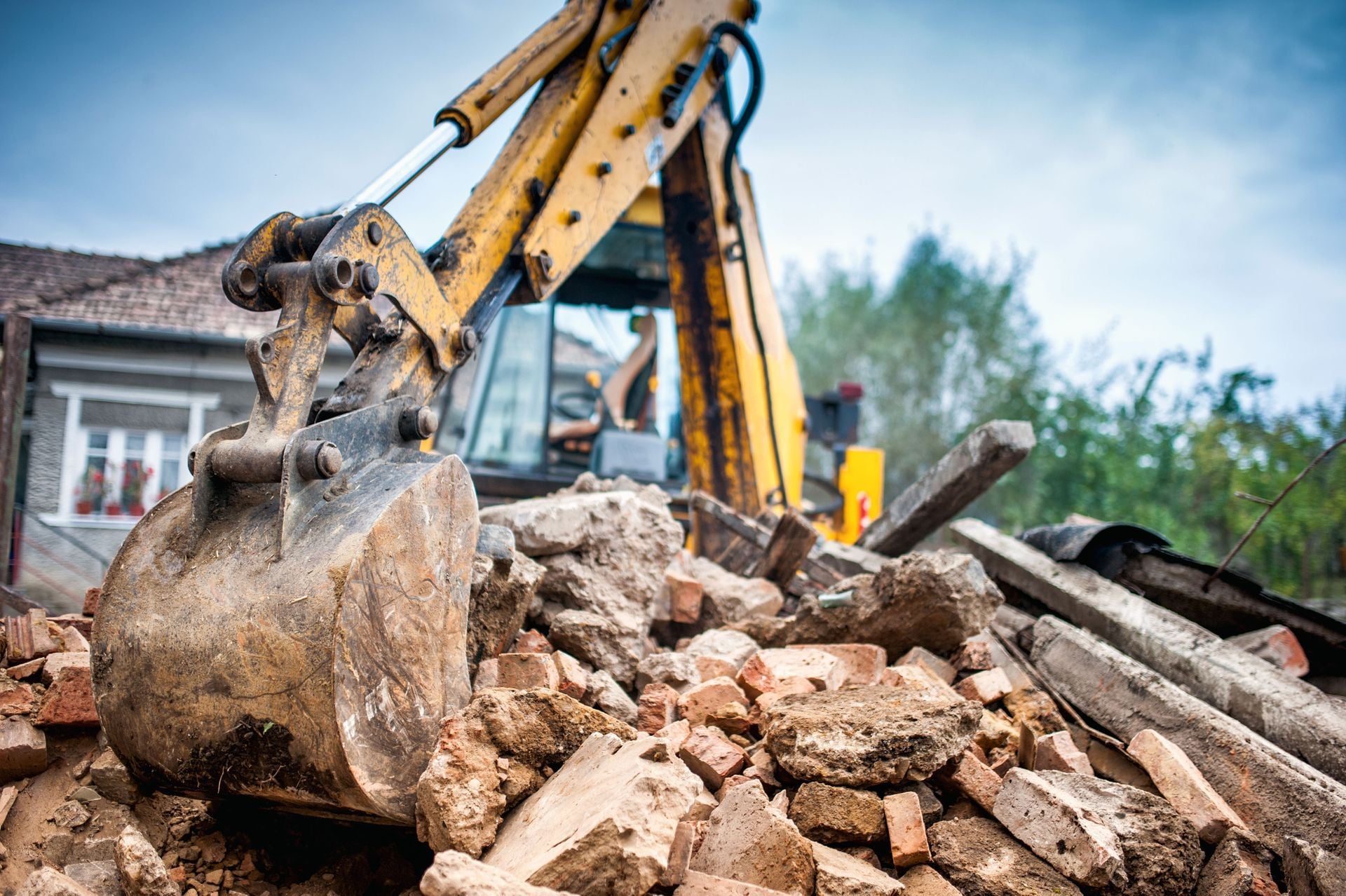
Excavation is one of the most important stages of preparing a property for construction, renovation, or major outdoor improvements. Before a foundation, driveway, drainage system, utility line, or other structure can be installed, the ground often needs to be carefully cut, shaped, or removed. Professional excavation services dfw tx help create the site conditions required for these projects while accounting for soil, terrain, access, and drainage. Understanding how excavation works can help homeowners and builders plan projects more effectively and avoid costly surprises.
In the Dallas-Fort Worth area, excavation requirements can vary significantly from one property to another. A residential lot with limited access may present completely different challenges from a large commercial development site or rural property. Soil composition, existing vegetation, slopes, underground utilities, drainage patterns, and nearby structures all influence how excavation should be performed. Working with an experienced contractor allows these conditions to be evaluated before heavy equipment begins moving soil.
What Does Professional Excavation Involve?
Excavation is more than simply digging a hole in the ground. It involves removing, relocating, or shaping soil and other materials to create a specific elevation, trench, slope, or opening required for a project. Depending on the job, excavation may include digging foundation areas, utility trenches, drainage channels, ponds, basements, driveways, or building pads. The contractor selects equipment and techniques based on the dimensions and conditions of the site.
Common excavation equipment includes excavators, skid steers, loaders, trenching machines, and other earthmoving machinery. The size and type of equipment must match the project because using machinery that is too large can create access problems or unnecessary disturbance. Conversely, equipment that is too small may increase labor and project time. Professional operators also need to understand how to work around existing structures, landscaping, fences, utilities, and other obstacles without causing avoidable damage.
Why Site Assessment Matters Before Digging
A thorough site assessment should take place before excavation begins. Contractors typically review the property’s layout, existing grades, access points, soil conditions, drainage, structures, and areas where excavation is required. Underground utilities are another critical consideration because digging without proper planning can damage electrical, gas, water, communication, or sewer infrastructure. Utility locations should be addressed through the appropriate locating process before excavation work starts.
Drainage also deserves close attention, particularly in areas where changes to the ground can affect how rainwater flows. Removing soil or creating new elevations without considering surrounding grades may cause water to collect where it previously did not. Experienced excavation contractors plan cuts and fills with the broader property in mind. This approach helps ensure that the completed excavation supports the project’s purpose rather than creating new problems.
Excavation for Foundations and Building Projects
For homeowners and builders, one of the most common reasons to hire an excavation contractor is preparation for a building foundation. Before concrete work begins, the ground may need to be excavated to the required depth and dimensions. The excavation must provide enough room for the foundation system and related construction activities while maintaining appropriate grades. Accuracy at this stage can influence the quality and efficiency of subsequent construction.
Building-pad preparation can also involve removing unsuitable soil, relocating fill, or establishing the correct elevation for the future structure. If the ground contains significant roots, debris, rocks, or unstable material, additional preparation may be necessary. The exact requirements depend on the project’s engineering plans and site conditions. Contractors should work from the appropriate plans and specifications rather than relying solely on visual judgment when preparing important structural areas.
Excavation for Drainage, Utilities, and Driveways
Excavation is also essential for many projects that homeowners may not immediately associate with heavy earthwork. Drainage improvements often require trenches, channels, swales, or other changes to the property’s grade. Utility installations may require narrow trenches for water, sewer, electrical, or other services. Driveways and access roads may also require excavation and removal of unsuitable material before aggregate or other surfaces are installed.
Each application requires a different approach. A utility trench may require precise depth and width, while a driveway project may involve broader excavation and preparation of a stable base. Drainage work must consider elevation and water movement rather than simply creating a visible channel. Professional excavation services dfw tx can provide the equipment and operator experience needed to match the excavation method to the specific project requirements.
How Excavation and Demolition Work Together
Some construction projects begin with an existing structure that must be removed before the property can be redeveloped. This is where excavation and DFW demolition services can become closely connected. Demolition may remove houses, sheds, commercial structures, concrete features, or other improvements, while excavation can then prepare the cleared site for its next use. Coordinating these stages can reduce unnecessary equipment movement and make site preparation more efficient.
Demolition also requires careful planning because structures may contain concrete, metal, wood, utilities, and other materials that need to be handled appropriately. Once a structure has been removed, the remaining foundation materials, debris, or buried features may require additional excavation or removal. Property owners should therefore discuss the complete scope of work rather than treating demolition and excavation as completely separate tasks. A coordinated approach can provide a smoother transition from an existing property to a construction-ready site.
Soil, Grading, and Material Management
The material encountered during excavation can have a significant effect on a project. Contractors may encounter ordinary soil, clay, gravel, rock, roots, construction debris, or other unexpected materials. Some excavated material can potentially be reused on the property as fill, while other material may need to be transported elsewhere. The decision depends on the material’s characteristics and the project’s specifications.
Grading often follows or occurs alongside excavation. Rather than simply removing soil, grading establishes the elevations and slopes needed for construction, drainage, landscaping, or access. Proper material management can help minimize unnecessary hauling and keep the project organized. Before work starts, property owners should ask how excavated material will be handled and whether hauling, disposal, or imported fill is included in the project estimate.
Choosing the Right Excavation Contractor in DFW
Selecting an excavation contractor should involve more than comparing hourly rates or the lowest initial quote. Homeowners and builders should consider relevant experience, equipment capabilities, insurance, communication, project planning, and familiarity with similar types of work. A contractor should be able to explain what the excavation includes, what conditions could affect the price, and how the site will be left when the work is complete. Clear documentation can reduce misunderstandings once the project begins.
It is also important to confirm whether related services are included or handled separately. For example, a quote may cover excavation but exclude hauling, demolition, rock removal, grading, or imported fill. Asking these questions before signing an agreement provides a clearer picture of the total project cost. Experienced contractors should also be willing to discuss access limitations, potential underground obstacles, weather-related delays, and other practical factors that could influence scheduling.
Preparing for a Successful Excavation Project
Good preparation can make excavation safer, more predictable, and more efficient. Property owners should have a clear understanding of the project’s goals, identify features that must be protected, address utility locating requirements, and ensure that the contractor has access to the areas where equipment will operate. Builders should also provide the appropriate plans, elevations, and specifications needed for precise site preparation. Clear communication between the property owner, contractor, engineers, and other trades can prevent unnecessary rework.
Excavation is ultimately the groundwork for everything that follows. When soil is removed and shaped correctly, foundations, utilities, drainage systems, driveways, and other improvements have a better starting point. Professional excavation services dfw tx provide the machinery, experience, and site knowledge needed to handle these demanding tasks efficiently. When excavation must be combined with DFW demolition services, coordinating both phases from the beginning can further streamline property preparation and move a project toward its next stage with greater confidence.