





Snap 8 peptide, also known as acetyl octapeptide-3, is a synthetic peptide that has attracted interest in cosmetic science and skincare formulation research. It consists of eight amino acids and is commonly discussed for its proposed relationship with the biological processes involved in facial expression lines. Cosmetic formulators have explored its potential use in topical products designed to improve the appearance of fine wrinkles. Its proposed mechanism is connected to proteins involved in neurotransmitter release, making it different from conventional moisturizing ingredients. However, its popularity should not be mistaken for proof of established clinical effectiveness.
Peptides are short chains of amino acids that can be investigated for different biological and cosmetic purposes. Some are studied for their relationship with skin structure, while others are explored for their possible influence on cellular communication. Snap-8 belongs to the latter category because its proposed activity involves a protein called SNAP-25. This protein plays a role in the process through which nerve cells release chemical messengers. Understanding this background helps explain why Snap-8 is frequently discussed in research about expression-line skincare.
How Snap-8 Peptide Is Thought to Work
The proposed mechanism of snap 8 peptide involves a group of proteins known as the SNARE complex. This complex helps nerve cells release neurotransmitters, which are chemical messengers that allow cells to communicate. SNAP-25 is one of the proteins involved in this process, and Snap-8 was designed to resemble a portion of its structure. Researchers and ingredient developers have proposed that the synthetic peptide may interfere with the assembly of the SNARE complex. In theory, this could influence the release of neurotransmitters associated with muscle activity.
This proposed mechanism has attracted attention because repeated facial movements contribute to the development of expression lines. If a topical ingredient could influence the signaling involved in these movements, it might have a cosmetic role in reducing the visible appearance of certain lines. However, a major challenge is getting the peptide through the skin’s protective outer barrier. The amount that reaches relevant biological structures after topical application has not been firmly established. Therefore, the proposed mechanism should not be presented as proof that Snap-8 works like an injectable neuromodulator.
What Studies Suggest About Snap-8
Research discussions about Snap-8 require careful interpretation because the evidence base is limited. Much of the ingredient’s commonly repeated performance information comes from supplier materials rather than independent clinical investigations. Some published studies have examined multi-ingredient skincare formulations containing acetyl octapeptide-3, but these products also include other active ingredients. As a result, researchers cannot automatically attribute any reported improvement to Snap-8 alone. This distinction is essential when evaluating claims about wrinkle reduction or cosmetic performance.
Studies involving multiple ingredients can still provide useful information about a finished formulation. They may help researchers explore product tolerability, application methods, and changes in skin appearance over a defined period. However, they cannot answer every question about the independent contribution of one peptide. Stronger evidence would require well-designed studies that evaluate Snap-8 separately, use suitable comparison groups, and measure outcomes objectively. More independent research would also help clarify its skin penetration, stability, and performance under ordinary cosmetic-use conditions.
The difference between a proposed mechanism and a demonstrated outcome is particularly important in cosmetic science. A peptide may have a theoretical reason for producing a certain biological effect, but that does not guarantee that a topical product can deliver it effectively. Formulation quality, ingredient concentration, and skin permeability may all influence the final result. Researchers should therefore avoid treating supplier claims as equivalent to independently reproduced clinical findings. A balanced interpretation recognizes the scientific interest while acknowledging the unanswered questions.
Cosmetic Uses and Formulation Factors
Snap-8 is primarily associated with topical skincare products such as facial serums and creams. It is commonly marketed for areas where expression lines are noticeable, including the forehead and around the eyes. Formulators may combine it with moisturizing ingredients, antioxidants, and other peptides to create products targeting several aspects of skin appearance. These combinations can be appealing because they bring different ingredient categories into one formulation. However, the presence of Snap-8 does not guarantee a particular cosmetic result.
The surrounding formulation can influence how a peptide behaves in a finished product. Factors such as pH, packaging, moisture exposure, and storage conditions may affect stability. The concentration listed in a product description also needs to be interpreted carefully because supplier solutions may contain a diluted ingredient rather than pure peptide. A higher advertised percentage does not automatically mean better performance. Researchers should evaluate the complete formulation and supporting documentation instead of relying on one number.
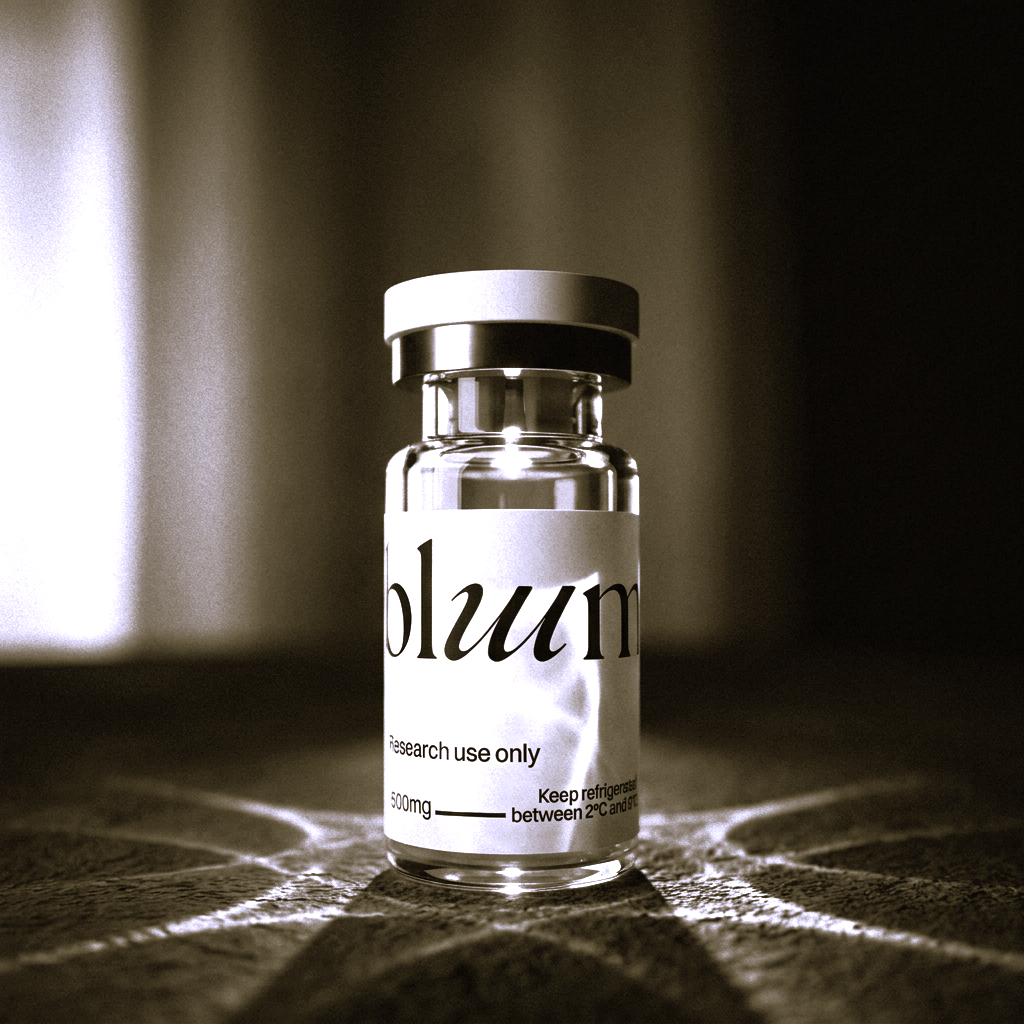
Another important consideration is the difference between cosmetic products and laboratory research materials. A topical cosmetic formulation is designed for its stated application, while research materials may have different specifications and handling requirements. A product described as research-grade should not automatically be considered suitable for personal skincare use. Similarly, a cosmetic ingredient should not be assumed appropriate for injection or another route of administration. Clear identification of the material and its intended purpose is essential for responsible evaluation.
Snap-8 and Klow Peptide: Understanding the Difference
Snap-8 and klow peptide are separate compounds or product categories with different research backgrounds. Snap-8 is a synthetic cosmetic peptide primarily discussed in connection with the proposed modulation of signaling involved in expression lines. KLOW, by contrast, is a commercial blend name commonly associated with combinations of peptides such as GHK-Cu, BPC-157, TB-500, and KPV. The exact composition can vary between suppliers, and there is no universally standardized KLOW formula. These products should not be treated as interchangeable simply because both appear in peptide-related discussions.
The ingredients commonly associated with KLOW also have distinct scientific backgrounds. GHK-Cu is a copper-binding peptide investigated in relation to skin biology and cellular processes. BPC-157 has mainly attracted attention through preclinical research, while TB-500 is marketed in connection with thymosin beta-4-related research. KPV has been investigated in experimental settings involving inflammatory signaling. Findings about one of these ingredients do not establish the safety or effectiveness of the complete blend. Likewise, research involving Snap-8 cannot be used as evidence for KLOW.
This distinction matters when evaluating commercial product descriptions. A blend name alone does not confirm which ingredients are present, their individual concentrations, or the quality of the finished material. Researchers should examine the exact formulation and look for documentation that corresponds to the specific batch being evaluated. They should also determine whether the available research directly examines the product or only one of its individual ingredients. This prevents broad marketing claims from being mistaken for established scientific findings.
Quality, Safety, and Responsible Research Practices
Quality assessment begins with confirming the identity and composition of the material. For cosmetic products, consumers should review the ingredient list, manufacturer information, and instructions for the finished formulation. For laboratory research materials, researchers should look for clear specifications and batch-specific analytical documentation. A Certificate of Analysis, commonly called a COA, may provide information about identity, purity, and testing methods. However, a certificate does not automatically establish clinical safety or effectiveness.
Analytical testing should be appropriate for the claims being made. High-performance liquid chromatography can help assess sample composition and relative purity under defined test conditions. Mass spectrometry may provide additional information about molecular identity. These methods answer different questions, so one test should not be assumed to confirm every quality characteristic. Researchers should also verify that the documentation corresponds to the exact batch rather than a generic product description.
Handling and storage should follow product-specific documentation and established laboratory procedures. Environmental factors such as temperature, light, and moisture may affect different formulations in different ways. Clear labeling and batch records help maintain traceability throughout laboratory work. Research materials should remain within appropriate research settings and should not be treated as approved products for personal use. When documentation is missing or material integrity is uncertain, appearance alone cannot establish quality.
Final Thoughts on Snap-8 Research
Snap 8 peptide is an interesting cosmetic ingredient because of its proposed connection with the SNARE complex and neurotransmitter signaling. This proposed mechanism provides a scientific reason for its continued discussion in skincare formulation research. However, the available evidence does not establish it as a clinically proven treatment for expression lines. Research involving multi-ingredient products also cannot confirm the independent effect of Snap-8. More controlled and independent studies are needed to clarify its topical performance and long-term tolerability.
For readers researching Snap-8 or comparing it with klow peptide, the most important step is understanding that different peptides have different structures, applications, and evidence bases. Product descriptions should be evaluated alongside ingredient information, analytical documentation, and the quality of available research. Supplier claims should not replace independent scientific evidence, and experimental findings should not be presented as established human benefits. A careful, evidence-focused approach helps readers understand what is currently known, what remains uncertain, and why further research is valuable.