




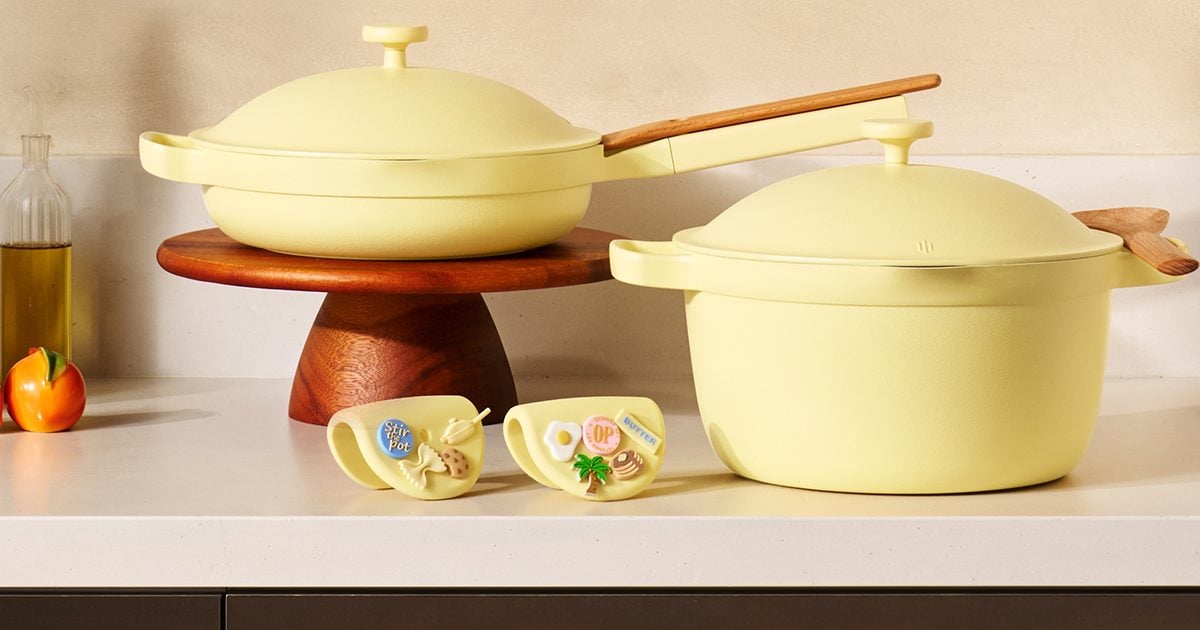
Cooking at home can be easier, more enjoyable, and more rewarding when you have the right cookware. Whether you are preparing a quick breakfast, cooking a family dinner, or experimenting with new recipes, quality kitchen tools can help you save time and achieve better results. Choosing the best cookware for healthy home cooking also means considering materials, durability, ease of cleaning, and suitability for different cooking methods.
With so many cookware options available, finding the right products can feel overwhelming. Nonstick pans, stainless steel pots, cast iron skillets, and ceramic-coated cookware each offer different advantages. Understanding these differences can help you choose cookware that matches your cooking habits and kitchen needs.
In this guide, we will explore the best types of cookware for everyday meals, explain their benefits, and share practical tips for building a functional kitchen.
Why Choosing the Right Cookware Matters
Cookware plays an important role in preparing everyday meals. The right pan or pot can help distribute heat effectively, make cooking more convenient, and simplify cleanup after meals.
High-quality cookware can also support a more organized cooking routine. When you have the right tools for frying, boiling, sautéing, and simmering, preparing meals becomes more manageable.
However, healthy cooking depends on more than cookware alone. Ingredients, portion sizes, cooking methods, and overall dietary choices also contribute to a balanced diet.
1. Nonstick Cookware for Easy Everyday Cooking
Nonstick cookware is a popular choice for home cooks because it helps food release easily from the cooking surface. It is particularly useful for preparing eggs, pancakes, vegetables, and other foods that may stick to traditional pans.
One advantage of nonstick cookware is that it can often be used with less cooking oil or butter, depending on the recipe. This may be helpful for people who want to control the amount of added fat in their meals.
When choosing a nonstick pan, consider the coating type, heat limits, handle comfort, and cleaning instructions. Avoid overheating coated cookware and replace pans when the cooking surface becomes significantly damaged.
Using silicone, wooden, or other manufacturer-approved utensils can help protect the coating and extend the pan’s useful life.
2. Stainless Steel Cookware for Versatility
Stainless steel cookware is valued for its durability, versatility, and resistance to corrosion. It works well for many cooking techniques, including boiling, sautéing, browning, and preparing sauces.
Unlike traditional nonstick cookware, stainless steel does not rely on a nonstick coating. It can also be suitable for cooking acidic ingredients, such as tomatoes, depending on the cookware’s construction.
Stainless steel pans may require proper preheating and sufficient cooking fat to reduce sticking. Look for cookware with a well-designed base that supports even heating, comfortable handles, and a construction suitable for your cooktop.
For people who want durable cookware for a wide variety of recipes, stainless steel can be a practical kitchen investment.
3. Cast Iron Cookware for Heat Retention
Cast iron cookware is a favorite among cooks who enjoy searing, browning, and preparing meals that benefit from steady heat. It retains heat well, making it useful for cooking steaks, roasting vegetables, and preparing certain one-pan meals.
Many cast iron pans develop a seasoned surface that helps protect the metal and improve food release. Maintaining this surface requires proper cleaning, thorough drying, and occasional oiling when appropriate.
Cast iron is generally heavier than many other cookware types, so consider its weight before purchasing. It may also require more maintenance than stainless steel or conventional nonstick cookware.
With consistent care, a good cast iron skillet can last for many years.
4. Ceramic-Coated Cookware for Modern Kitchens
Ceramic-coated cookware is another option for people looking for an easy-release cooking surface. These pans typically feature a coating designed to help food release more easily during cooking.
Ceramic-coated cookware is available in different styles, colors, and price ranges, making it a popular choice for modern kitchens.
When comparing options, check the manufacturer’s instructions for maximum heat, cleaning methods, and utensil compatibility. Avoid assuming that every ceramic-coated product has identical performance or durability.
Choosing cookware from a reputable manufacturer and following the recommended care instructions can help you get better long-term value.
5. Choose Cookware That Supports Healthy Cooking
Healthy cooking is about selecting suitable ingredients and preparing meals in ways that fit your nutritional needs. Cookware can make certain cooking methods more convenient, but no single material automatically makes food healthier.
Consider these practical tips:
- Use appropriate cooking oils: Choose oils that suit your recipe and cooking temperature.
- Avoid excessive heat: Follow the cookware manufacturer’s temperature guidance.
- Prepare balanced meals: Include vegetables, protein sources, whole grains, and other nutritious foods that suit your needs.
- Reduce unnecessary added fats when appropriate: Easy-release cookware may help with some recipes.
- Clean cookware properly: Follow the manufacturer’s instructions to keep cooking surfaces in good condition.
By combining suitable cookware with thoughtful meal preparation, you can make everyday cooking more convenient.
6. Essential Cookware Every Home Kitchen Needs
You do not need to purchase a large collection of pots and pans to prepare delicious meals. Starting with a few versatile essentials can help you build a practical kitchen without unnecessary expense.
A Reliable Frying Pan
A frying pan is useful for eggs, vegetables, pancakes, and quick meals. Choose a size that suits your usual portion sizes and cooking habits.
A Medium-Sized Saucepan
A saucepan is useful for preparing oatmeal, sauces, rice, soups, and smaller portions of pasta. A comfortable handle and a well-fitting lid can make it more convenient.
A Large Cooking Pot
A larger pot is helpful for cooking pasta, soups, stews, and family-sized meals. Consider capacity, weight, and how easily the pot fits in your storage space.
A Dutch Oven or Deep Pot
A Dutch oven or deep cooking pot can be useful for slow cooking, braising, and preparing one-pot meals. Depending on the model, it may be suitable for both stovetop and oven use.
Useful Kitchen Utensils
Spatulas, wooden spoons, tongs, and a suitable whisk can help you prepare meals efficiently. Select utensils that are compatible with your cookware to reduce unnecessary wear.
7. How to Choose the Best Cookware for Your Kitchen
The best cookware depends on your cooking style, budget, available storage, and preferred maintenance routine.
Consider Your Cooking Habits
If you frequently prepare eggs and delicate foods, an easy-release frying pan may be useful. If you regularly make sauces or brown meat, stainless steel may be a better fit. For high-heat searing and heat retention, cast iron or carbon steel may suit your needs.
Check Cooktop Compatibility
Not every pan works with every cooktop. If you have an induction stove, check that the cookware is specifically compatible with induction cooking.
Look at Material Quality
Compare construction, base design, handle materials, and the manufacturer’s specifications. A pan that heats well and feels comfortable to use can make daily cooking easier.
Think About Cleaning and Maintenance
Some cookware requires seasoning, while other options are designed for easier cleaning. Choose a maintenance routine you can realistically follow.
Compare Price and Long-Term Value
A higher price does not automatically guarantee better performance. Compare durability, included pieces, warranty coverage, and how often you expect to use each item.
8. Why Consider Our Place Cookware?
Our Place is a cookware and kitchenware brand known for products designed to combine cooking functionality with modern styling. When exploring its cookware, compare the features of individual products rather than assuming every item offers the same benefits.
Consider factors such as cooking surface, coating type, oven safety, cooktop compatibility, included accessories, and care instructions. These details can help you determine whether a particular product matches your cooking habits.
When researching an Our Place Review, look for feedback about everyday cooking performance, ease of cleaning, durability, handling, and overall value. Compare multiple customer experiences and check current product specifications before making a purchase.
The best choice is the one that suits your kitchen, cooking preferences, and budget—not simply the product with the most attractive design.
9. Tips for Maintaining Your Cookware
Taking proper care of your pots and pans can help preserve their performance and extend their useful life.
- Follow cleaning instructions: Different materials and coatings require different care methods.
- Avoid sudden temperature changes: Let cookware cool appropriately before washing, unless the manufacturer specifies otherwise.
- Use suitable utensils: Choose utensils that will not unnecessarily scratch or damage the cooking surface.
- Store cookware carefully: Use protective layers when stacking pans to minimize scratches.
- Inspect cooking surfaces: Replace cookware when it becomes unsafe to use or the coating is significantly damaged.
- Dry cookware thoroughly: This is particularly important for cast iron and carbon steel to help prevent rust.
Regular care can protect your investment and help your cookware remain useful for everyday meal preparation.
10. Common Cookware Buying Mistakes to Avoid
Before investing in new cookware, avoid these common mistakes:
- Buying a large cookware set when you only need a few essential pieces
- Ignoring induction or oven compatibility
- Choosing cookware based only on appearance
- Overlooking the manufacturer’s cleaning and temperature instructions
- Assuming all nonstick coatings have the same performance
- Paying more for features you are unlikely to use
- Neglecting storage space and the weight of larger pots
A thoughtful approach can help you select practical cookware that supports your routine without creating unnecessary expense.
Final Thoughts
The best cookware for easy and healthy home cooking combines practical design, suitable materials, reliable performance, and manageable maintenance. Nonstick pans can make delicate foods easier to cook, stainless steel offers versatility, cast iron retains heat well, and ceramic-coated cookware provides another easy-release option.
Start by identifying the meals you prepare most often and selecting a few essential pieces that suit your kitchen. Check material quality, compatibility, care instructions, and long-term value before purchasing.
With the right cookware and balanced cooking habits, preparing everyday meals can become more convenient, enjoyable, and organized.