







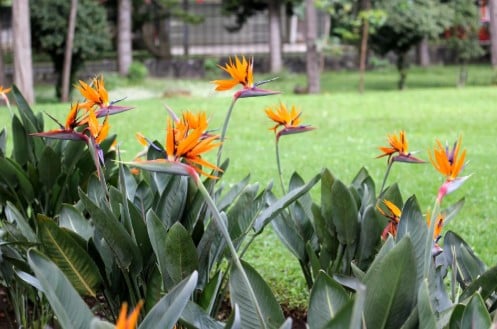
Shrubs can add structure, seasonal color, privacy, and visual interest to a landscape. Unlike annual flowers that may need to be replaced each year, many flowering shrubs return season after season and can become long-term features in a garden. Their size, bloom period, foliage, growth habit, and maintenance needs vary widely, so choosing the right plant involves more than simply selecting a preferred flower color.
When planning with flowering shrubs, gardeners should consider climate, sunlight, mature size, soil drainage, bloom timing, and how the plant will fit with surrounding trees, perennials, lawns, and hardscaping. A shrub that looks compact in a nursery container may eventually become several feet wide, while another may stay relatively small for years. Understanding these differences helps prevent overcrowding and creates a more balanced landscape.
Why Add Flowering Shrubs to a Landscape?
One of the main advantages of shrubs is that they combine structure with seasonal interest.
Depending on the species, they may provide:
- Spring or summer flowers
- Fall foliage color
- Evergreen leaves
- Fragrance
- Berries or ornamental seed heads
- Wildlife habitat
- Screening or privacy
- Foundation planting
Because they are more permanent than annual bedding plants, flowering shrubs can also help define planting beds and create visual continuity throughout the year.
How Much Sun Do Flowering Shrubs Need?
Sunlight requirements differ considerably between species.
Some shrubs perform best in full sun, meaning they receive several hours of direct sunlight each day. Others tolerate partial shade and may even perform better when protected from intense afternoon heat.
Before planting, observe the site at different times of day.
A location that appears sunny in the morning may be heavily shaded by nearby buildings or trees later in the day.
Matching flowering shrubs to actual light conditions is one of the most important steps in establishing healthy plants.
Why Is Mature Size Important?
Shrubs are often purchased when they are relatively small, which can make it easy to underestimate their eventual size.
A plant that grows eight feet wide should not be placed two feet from a walkway, window, or another large shrub unless regular pruning is part of the plan.
Check both mature height and mature spread before planting.
Allowing enough space helps improve:
- Air circulation
- Natural plant shape
- Flowering
- Maintenance access
- Overall landscape balance
Proper spacing also reduces the need for aggressive pruning later.
What Soil Conditions Work Best?
Many shrubs prefer soil that drains well while still retaining enough moisture for healthy root growth.
Heavy clay can stay wet for long periods, while very sandy soil may dry rapidly.
Before planting flowering shrubs, gardeners should evaluate:
- Drainage
- Soil texture
- Organic matter
- pH
- Moisture retention
Adding organic matter may improve some soils, but the goal should not be to create a small pocket of completely different soil around the root ball.
Roots eventually need to expand into the surrounding ground.
Why Does Drainage Matter So Much?
Poor drainage can create serious problems for shrubs.
Roots need oxygen as well as moisture. When soil remains saturated for long periods, root function may decline, and some plants become more vulnerable to root diseases.
Signs of drainage problems can include:
- Persistent standing water
- Yellowing leaves
- Slow growth
- Branch dieback
- Soft or damaged roots
Before adding flowering shrubs to a low-lying area, determine whether the plant naturally tolerates wet conditions or whether drainage should be improved first.
When Is the Best Time to Plant Shrubs?
Planting time depends on climate and plant type.
Spring and fall are often suitable because temperatures are moderate and plants can establish roots without the stress of extreme summer heat.
Container-grown shrubs can sometimes be planted across a wider part of the growing season if adequate water is available.
Regardless of timing, newly planted flowering shrubs require consistent moisture while roots begin expanding into the surrounding soil.
Extreme heat, drought, or frozen ground can make establishment more difficult.
How Should a Shrub Be Planted?
The planting hole should generally be wider than the root ball but not significantly deeper.
Planting too deeply can create long-term problems.
The top of the root ball should usually sit near the surrounding soil level, although exact recommendations can vary by plant and site.
After positioning the shrub:
- Backfill around the roots.
- Water thoroughly.
- Check that the plant remains upright.
- Add mulch around the root zone.
- Keep mulch away from direct contact with the main stems.
Good planting technique can influence the health of the shrub for years.
How Much Water Do Flowering Shrubs Need?
Water requirements depend on species, soil, temperature, and establishment stage.
Newly planted shrubs generally need more frequent watering than established plants.
Deep, less frequent watering is often preferable to very shallow watering because it encourages roots to grow farther into the soil.
Once established, some flowering shrubs can tolerate periods of drought, while others need consistent moisture to maintain healthy growth and flowering.
Gardeners should avoid assuming that all shrubs have the same watering needs.
Does Mulch Help Shrubs Grow?
Mulch can be useful when applied correctly.
A layer of organic mulch can help:
- Conserve soil moisture
- Moderate soil temperature
- Reduce weeds
- Protect the soil surface
- Add organic material over time
However, piling mulch against the trunk or stems can trap moisture and create favorable conditions for decay.
Leave a small open area around the base of the plant.
For flowering shrubs, maintaining a broad mulched root zone can be more useful than creating a tall mound close to the stems.
When Should Flowering Shrubs Be Fertilized?
Not every shrub needs regular fertilization.
If a plant is growing well, flowering normally, and has healthy foliage, additional fertilizer may not be necessary.
A soil test can help determine whether nutrients are deficient.
Overfertilizing may encourage excessive leafy growth at the expense of flowers and can sometimes make plants more susceptible to certain pests or environmental stress.
When fertilizer is needed, use a product and rate appropriate for the particular shrub and soil conditions.
Why Does Pruning Time Matter?
Pruning at the wrong time can remove flower buds.
Some shrubs bloom on old wood, meaning their flower buds formed during the previous growing season. Others bloom on new growth produced during the current year.
This distinction affects when pruning should be performed.
For many spring-flowering shrubs, pruning shortly after flowering helps preserve the following year’s blooms.
Shrubs that flower on new wood may tolerate late winter or early spring pruning.
Before pruning flowering shrubs, identify how and when the plant produces buds.
How Can You Create a Longer Flowering Season?
A garden does not need to rely on one shrub species.
Choosing plants with different bloom periods can extend seasonal interest.
For example, a landscape might include shrubs that flower in:
- Early spring
- Late spring
- Early summer
- Midsummer
- Late summer
Evergreen foliage, berries, bark, and fall color can then provide visual interest outside the main flowering periods.
Using several flowering shrubs with staggered bloom times can make planting beds feel more dynamic throughout the year.
What Should You Consider When Planting Near a House?
Foundation plantings need enough space between the mature shrub and the building.
Plants positioned too close to walls can block windows, restrict maintenance access, and reduce air circulation.
Consider:
- Mature height
- Mature spread
- Window height
- Utility equipment
- Walkways
- Gutters and drainage
- Future pruning needs
Compact shrubs may work better beneath windows, while larger varieties can be placed where their natural size has room to develop.
Can flowering shrubs Be Used for Privacy?
Yes.
Many shrubs can provide seasonal or year-round screening.
For privacy, consider both mature height and density.
Deciduous shrubs may provide excellent screening during the growing season but lose much of that coverage in winter.
Evergreen flowering varieties may provide more consistent privacy.
When using flowering shrubs as a screen, spacing should allow individual plants to grow together without becoming excessively crowded.
How Can Shrubs Support Pollinators?
Many flowering shrubs produce nectar or pollen that attracts bees, butterflies, and other beneficial insects.
Native species can be especially valuable because local wildlife may already be adapted to their flowers, fruit, or foliage.
A garden designed for pollinators should include plants that bloom at different times rather than providing flowers during only one short period.
Avoiding unnecessary pesticide applications can also help preserve beneficial insect populations.
What Are Signs That a Shrub Is in the Wrong Location?
A plant may struggle when its growing conditions do not match the site.
Potential signs include:
- Few flowers
- Weak growth
- Leaf scorch
- Persistent yellowing
- Repeated disease problems
- Branch dieback
- Excessive stretching toward light
Moving an established shrub can be difficult, so it is better to consider these requirements before planting.
Choosing suitable flowering shrubs from the beginning reduces maintenance and improves the likelihood of long-term success.
How Should Shrubs Be Combined With Other Plants?
Shrubs can serve as the structural layer of a planting bed.
Smaller perennials, ornamental grasses, bulbs, and groundcovers can then be arranged around them.
Consider contrasting:
- Flower colors
- Leaf textures
- Plant heights
- Foliage shapes
- Bloom periods
A balanced design usually looks more natural when plants are grouped according to similar sunlight and moisture needs.
This also simplifies irrigation and maintenance.
Conclusion
Flowering shrubs can provide structure, color, habitat, screening, and seasonal interest in a wide range of landscapes. The best results come from selecting plants based on mature size, sunlight, soil, drainage, climate, and long-term maintenance rather than choosing only by flower appearance. When planning with flowering shrubs, gardeners should think about how each plant will develop over several years and how it will interact with surrounding plants and structures. Collections available through PlantClearance.com can also provide examples of the different shrub forms, flowering habits, and landscape uses gardeners may encounter when comparing options. Careful plant selection and proper establishment can help shrubs become durable, attractive features that contribute to the garden season after season.