





Becoming a parent is an exciting journey filled with new experiences, responsibilities, and important decisions. One of the first challenges new parents face is choosing the right baby products. From feeding essentials and sleeping accessories to travel gear and everyday care items, the right products can make caring for a newborn more comfortable and convenient.
With so many options available, it can be difficult to decide which products are worth buying. Understanding your baby’s needs, checking product safety, and comparing quality can help you make informed choices without spending money on unnecessary items.
In this guide, we’ll explore essential baby products, what to consider before purchasing them, and how to build a practical collection of newborn essentials.
1. Start with Essential Baby Products
Before shopping, create a list of items your baby will need during the first few months. Focusing on the basics helps you avoid unnecessary purchases and keeps your budget under control.
Some essential baby products include:
- Baby clothing: Soft bodysuits, sleepers, socks, and weather-appropriate outfits.
- Diapers and changing supplies: Disposable or reusable diapers, wipes, and a changing mat.
- Feeding supplies: Bottles, bibs, burp cloths, and other items appropriate for your feeding method.
- Sleeping essentials: A safety-compliant crib or bassinet, a firm mattress, and a fitted sheet.
- Bathing products: A baby bathtub, soft washcloths, and gentle, fragrance-free cleansing products.
- Travel gear: An appropriate car seat, stroller, or baby carrier that meets relevant safety requirements.
Prioritize products you will use regularly. You can always purchase additional items as your baby’s needs become clearer.
2. Prioritize Safety When Choosing Baby Products
Safety should be one of the most important factors when shopping for a newborn. Babies require products designed for their developmental stage, size, and specific needs.
Before buying a product, consider the following:
- Check that it meets applicable safety standards and regulations.
- Follow the manufacturer’s age, weight, and height recommendations.
- Read product instructions and warning labels carefully.
- Look for recalls or safety notices affecting the product.
- Choose products that are easy to clean and maintain.
- Inspect materials, stitching, fasteners, and other components for damage or defects.
For sleep, place your baby on their back on a firm, flat sleep surface designed for infants. Keep pillows, loose blankets, stuffed toys, and other soft objects out of the baby’s sleep area. Avoid inclined sleepers and products that are not intended for safe infant sleep.
For car travel, select a car seat appropriate for your child’s age, height, and weight, and follow the manufacturer’s installation instructions.
3. Choose Comfortable Clothing and Everyday Essentials
Baby clothing should be soft, comfortable, and practical. Newborns often need frequent outfit changes, so buying a few easy-to-wash basics is generally more useful than filling a wardrobe with special-occasion outfits.
Look for clothing with:
- Soft, breathable fabrics.
- Comfortable fits that allow natural movement.
- Convenient snaps or zippers for diaper changes.
- Appropriate layers for the weather.
- Care instructions that suit your laundry routine.
Avoid clothing with loose decorative parts, long cords, or other features that could present a safety hazard.
When selecting sizes, remember that babies grow quickly. Buying a reasonable number of newborn and slightly larger sizes can help you prepare without purchasing too many clothes your baby may outgrow.
4. Select the Right Feeding Products
Feeding essentials depend on whether you plan to breastfeed, formula-feed, or use a combination of methods. You do not need to purchase every feeding accessory before your baby arrives.
Common feeding products include bottles, bottle-cleaning brushes, bibs, burp cloths, and a suitable place to feed your baby comfortably.
When choosing bottles, consider ease of cleaning, material, capacity, and compatibility with any accessories you may need. Follow the manufacturer’s cleaning and sterilization instructions, and prepare infant formula according to its packaging and your healthcare professional’s guidance.
If you plan to breastfeed, some parents find nursing pillows or breast pumps helpful, but these products are not essential for every family.
The goal is to choose practical feeding supplies that support your family’s routine rather than buying products simply because they are popular.
5. Invest in Safe and Practical Baby Travel Gear
Travel products can make everyday outings easier, whether you’re visiting family, running errands, or taking a longer trip.
Strollers
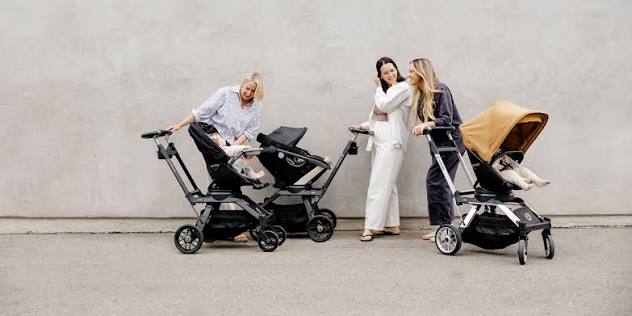
Consider the stroller’s weight, folding mechanism, storage capacity, maneuverability, and suitability for your baby’s age. Make sure the model is appropriate for newborn use if you intend to use it from birth.
Car Seats
A properly selected and installed car seat is an essential safety item for traveling by car. Check the manufacturer’s size limits, installation requirements, and expiration information where applicable.
Baby Carriers
Baby carriers can help parents keep their hands free during certain activities. Choose a model appropriate for your baby’s developmental stage and follow the manufacturer’s positioning and airway-safety instructions.
Before buying travel gear, consider your lifestyle. Families who frequently use public transportation may prefer lightweight, compact options, while those who drive often may prioritize convenient storage and installation.
6. Create a Comfortable and Functional Nursery
A nursery does not need to be large or filled with expensive furniture to meet your baby’s needs. A safe sleeping space, practical storage, and a convenient changing area can be enough to get started.
Consider these useful nursery essentials:
- A safety-compliant crib or bassinet.
- A firm, correctly fitted mattress.
- A fitted crib sheet designed for the sleep surface.
- A changing station with supplies within an adult’s reach.
- Storage baskets or drawers for clothing and diapers.
- Soft lighting for nighttime care.
Keep cords, small objects, heavy decorations, and unstable furniture away from the baby’s reach. Secure furniture where appropriate, and keep the sleep area free of unnecessary items.
A simple, organized nursery can make daily routines easier without requiring a major investment.
7. Look for Quality, Durability, and Easy Maintenance
Baby products often require frequent cleaning, so durability and maintenance are important considerations. A product that is easy to wash, assemble, and store may be more useful than one with complicated features.
Before purchasing, check:
- Materials: Are they suitable for the product’s intended use?
- Cleaning requirements: Can you maintain the item according to its instructions?
- Construction: Are seams, fasteners, and moving parts secure?
- Storage: Does the product fit comfortably in your home?
- Longevity: Will it remain useful as your baby grows, if it is designed to do so?
- Warranty: Does the manufacturer provide clear warranty terms?
Avoid assuming that a higher price automatically means better quality or safety. Compare specifications and safety information instead of relying on appearance alone.
8. Compare Prices and Set a Realistic Budget
Preparing for a baby can become expensive, especially when shopping for multiple categories of products at once. A realistic budget helps you focus on essential items and leave room for unexpected needs.
Use these strategies to manage spending:
- Make a checklist: Separate essential purchases from optional extras.
- Compare several options: Review features, materials, safety information, and total costs.
- Read the return policy: Understand the conditions and time limits before ordering.
- Consider secondhand items carefully: Some clothing and non-safety-critical supplies may be suitable when clean and in good condition.
- Buy gradually: Purchase items according to your baby’s upcoming needs rather than buying everything immediately.
Be especially cautious with secondhand car seats, cribs, and other safety-critical products. Their history, condition, recall status, and compliance with current safety requirements must be verified before use.
9. Research Brands and Read Customer Reviews
Online research can help parents compare baby products before making a purchase. Product descriptions provide specifications, while customer feedback may reveal useful information about everyday convenience, durability, sizing, and customer service.
When researching a brand, parents looking for Mamazing Reviews can examine available product details, safety information, customer experiences, warranty coverage, and return policies before deciding whether a product meets their needs.
Keep a few points in mind when reading reviews:
- Look for detailed feedback rather than relying only on star ratings.
- Check whether reviews discuss the specific product you intend to buy.
- Consider comments about both advantages and disadvantages.
- Look for repeated concerns across multiple reviews.
- Verify safety claims through reliable documentation and official sources.
Customer reviews can help with practical purchasing decisions, but they should not replace official safety guidance or professional advice when needed.
10. Avoid Buying Too Many Unnecessary Baby Products
Marketing can make it seem as though new parents need dozens of specialized products. In reality, many families can manage comfortably with a smaller collection of carefully selected essentials.
Before purchasing an additional item, ask yourself:
- Does my baby need this product right now?
- Will it solve a specific problem in our daily routine?
- Is there already an item that serves the same purpose?
- Is it safe and suitable for my baby’s age and development?
- Can I afford it without compromising essential purchases?
Products that are useful for one family may not be necessary for another. Your baby’s needs, your home environment, and your daily routine should guide your decisions.
Conclusion
Choosing the best baby products for new parents is about finding the right balance between safety, comfort, practicality, and affordability. Start with essential clothing, feeding supplies, safe sleep products, hygiene items, and suitable travel gear. Then add other products as your family’s needs become clearer.
Take time to compare product specifications, read customer feedback, review safety information, and understand return policies before buying. Remember that the most expensive or popular product is not always the best choice for your household.
With a thoughtful shopping plan and a focus on genuine needs, you can prepare for your baby’s arrival with greater confidence and create a comfortable environment for your growing family.