





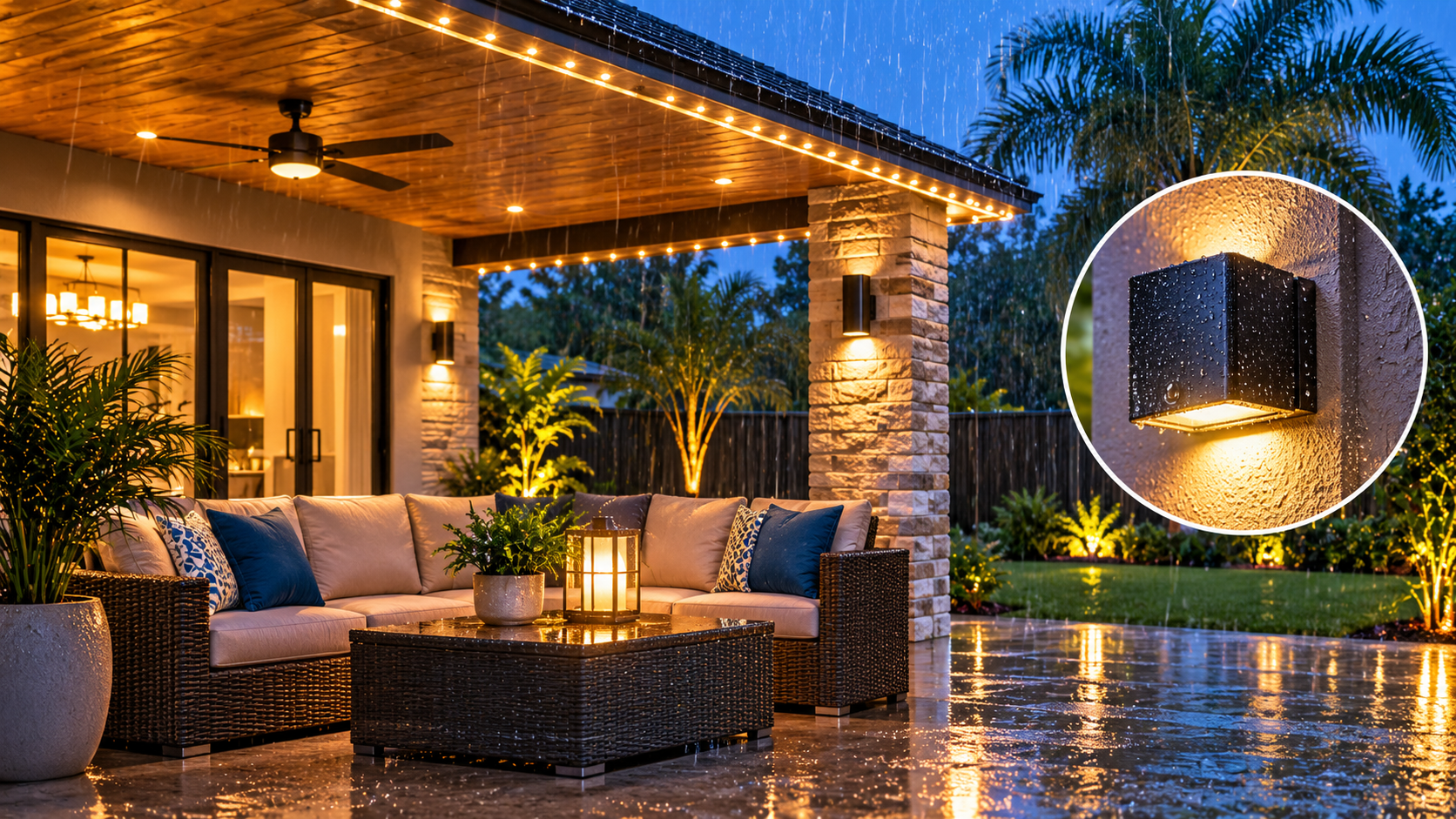
Outdoor spaces make homes more enjoyable, especially when families want to relax, entertain guests, or spend peaceful evenings outside. However, outdoor lighting faces challenges that indoor fixtures rarely experience. Rain, humidity, strong sunlight, changing temperatures, and moisture in the air can gradually affect lighting performance. Choosing fixtures designed for outdoor conditions helps maintain consistent illumination while protecting important electrical components from environmental damage.
For homeowners exploring Patio Lighting Services, weather resistance is an important factor when planning an attractive and functional outdoor environment. Weatherproof lighting systems are designed with protective materials, sealed connections, and suitable electrical enclosures that help them withstand exposure to moisture. Whether you are illuminating a backyard seating area, a covered patio, or an open entertainment space, selecting the right fixtures can make a significant difference in long-term performance and reliability.
Understanding How Weatherproof Patio Lighting Works
Weatherproof patio lighting is specially designed to operate in outdoor environments where ordinary indoor fixtures may quickly develop problems. These lighting systems use protective housings, durable materials, and sealed components to reduce the chances of water entering sensitive electrical areas. Depending on the product, manufacturers may also include protective gaskets, weather-resistant cable connections, and coatings that help prevent environmental damage.
The main purpose of these protective features is to keep electrical components functioning properly despite exposure to rain, splashing water, and outdoor humidity. However, not every outdoor light offers the same level of protection. Some fixtures are suitable only for covered spaces, while others are designed for direct exposure to rain. Understanding these differences helps homeowners choose lighting that matches their patio’s actual conditions.
How Patio Lights Protect Against Rainwater
Rain is one of the most common challenges for outdoor lighting installations. Water can enter poorly protected fixtures through small openings, loose connections, or damaged seals. Once moisture reaches electrical components, it may cause corrosion, flickering, short circuits, or complete fixture failure. Weather-resistant lighting reduces these risks through carefully designed enclosures and protective sealing.
The effectiveness of this protection depends on the fixture’s construction and its suitability for the installation location. Homeowners should look for products specifically approved for their intended outdoor exposure rather than assuming that every light advertised as waterproof can handle heavy rain. Proper mounting and installation are equally important because even a well-designed fixture may experience problems when its seals or electrical connections are assembled incorrectly.
Understanding IP Ratings for Outdoor Lighting
One of the easiest ways to understand a lighting fixture’s resistance to dust and water is by checking its Ingress Protection (IP) rating. This rating uses two digits: the first indicates protection against solid particles, while the second indicates protection against water. For example, an IP65-rated fixture is dust-tight and tested against water jets under defined conditions. The appropriate rating depends on where the light will be installed and how much exposure it will receive.
Before purchasing outdoor fixtures, homeowners should consider the following common ratings and their general applications:
- IP44: Provides protection against splashing water and may suit certain sheltered outdoor locations.
- IP54: Offers dust protection and resistance to water splashes.
- IP65: Provides dust-tight protection and resistance to water jets.
- IP66: Offers protection against powerful water jets.
- IP67: Provides protection against temporary immersion under specified testing conditions.
These ratings should not be treated as interchangeable guarantees. For example, temporary immersion protection does not automatically mean a fixture can withstand every type of water jet. It is also important to check the manufacturer’s instructions and applicable wet-location safety listings before installation. https://ies.org/lda/safety-how-to-stay-dry-not-all-showers-are-worth-singing-about-2/
How Humidity Affects Outdoor Lighting Systems
Rain is not the only environmental factor that affects patio lighting. Humidity can also create problems, particularly in areas where warm temperatures and moisture remain present for extended periods. When humid air comes into contact with cooler surfaces, condensation may develop inside or around lighting fixtures. Over time, repeated moisture exposure can affect electrical connections, metal components, and internal circuits.
Quality outdoor fixtures are designed with materials and construction methods that help manage these conditions. Protective enclosures, suitable gaskets, corrosion-resistant finishes, and properly designed electrical connections can reduce moisture-related risks. However, an IP rating alone does not guarantee protection against every environmental issue, including corrosion or internal condensation. Choosing appropriate products and following installation instructions remain essential.
Materials That Help Patio Lighting Withstand Harsh Weather
The materials used in outdoor lighting play an important role in determining how well fixtures handle rain, humidity, and changing temperatures. Some materials are better suited to outdoor environments because they resist rust, moisture, and environmental wear. High-quality finishes and durable housing materials also help preserve the fixture’s appearance after prolonged exposure to outdoor conditions.
When comparing different lighting options, homeowners should pay attention to these features:
- Aluminum Housing: Quality aluminum fixtures can provide durable construction and good resistance to corrosion when properly finished.
- Stainless Steel Components: Suitable grades can offer additional protection against rust and moisture.
- Protective Gaskets: Help create a barrier around openings and joints where water could enter.
- UV-Resistant Materials: Help reduce deterioration caused by prolonged sunlight exposure.
- Sealed Cable Connections: Reduce the risk of moisture entering electrical connection points.
Material quality matters even more in coastal environments, where salt in the air can accelerate corrosion. Selecting products specifically designed for the property’s environmental conditions can help extend their useful life and reduce maintenance concerns.
Why Proper Installation Is Essential for Weather Protection
Even the most durable patio lighting fixture needs correct installation to perform as intended. Poorly sealed connections, unsuitable mounting positions, exposed wiring, and incorrect fixture orientation can create opportunities for water infiltration. Professional installation helps ensure that lighting components are assembled according to manufacturer requirements and positioned appropriately for their surroundings.
Installation planning should also consider drainage, nearby landscaping, roof coverage, and areas where water may collect after heavy rainfall. Electrical connections must use suitable outdoor-rated components and follow applicable electrical codes. These details are especially important for patios that receive direct rain or experience frequent humidity. Proper installation protects the lighting system while helping maintain a clean and attractive outdoor appearance.
Simple Ways to Maintain Weatherproof Patio Lighting
Although weather-resistant fixtures are built for outdoor conditions, regular maintenance can help preserve their performance. Dirt, leaves, insects, and environmental deposits may collect around lighting housings and connections. Periodic inspections help homeowners identify visible damage before it becomes a more serious problem. Checking the condition of seals, mounting hardware, and exposed cables is also a useful part of outdoor lighting care.
A few simple maintenance habits can make a difference:
- Clean fixture surfaces with a soft cloth and manufacturer-approved cleaning products.
- Inspect visible housings for cracks, corrosion, or damaged seals.
- Keep nearby plants and debris from blocking fixtures or drainage areas.
- Check for unusual flickering, dimming, or moisture inside light covers.
- Arrange professional inspections when electrical connections show signs of damage.
Always switch off the appropriate power supply before cleaning or inspecting accessible components. Avoid opening electrical enclosures or attempting repairs yourself. If water enters a fixture or electrical problems occur, have a qualified professional inspect the system.
Choosing the Right Patio Lighting for Florida’s Climate
Florida homeowners often need to consider more than occasional rainfall when selecting outdoor lighting. Warm temperatures, high humidity, intense sunshine, and coastal conditions can place additional demands on exterior fixtures. These environmental factors make it important to choose lighting products designed for the actual installation location. A covered patio may require different protection from an uncovered seating area exposed to wind-driven rain.
For homeowners in Apollo Beach and surrounding communities, Dirty South Illuminations provides an opportunity to explore outdoor lighting solutions that complement different property styles and outdoor spaces. Planning a lighting installation around weather exposure, fixture quality, and placement can help create an inviting patio environment. The goal is to combine attractive illumination with practical durability so homeowners can enjoy their outdoor spaces with greater confidence.
Conclusion: Enjoy Beautiful Outdoor Lighting in Every Season
Weatherproof patio lighting makes it easier to enjoy outdoor spaces without constantly worrying about ordinary rain and humidity. Protective housings, suitable IP ratings, durable materials, and properly sealed connections all contribute to better performance in challenging outdoor conditions. However, choosing the right product is only one part of the process. Correct installation and regular maintenance are equally important for protecting the system over time.
Whether you want to illuminate a cozy seating area, highlight your patio’s design, or create a welcoming atmosphere for evening gatherings, investing in suitable outdoor lighting can improve both appearance and functionality. By considering local weather conditions and selecting appropriately rated fixtures, homeowners can create an outdoor environment that remains attractive and practical throughout the year.
FAQs
1. Can patio lighting stay outside in heavy rain?
Yes, fixtures specifically designed and approved for wet locations can generally withstand their stated outdoor exposure. Always check the product’s rating and installation instructions before using it in an uncovered area.
2. What IP rating is best for outdoor patio lighting?
The appropriate IP rating depends on the location and expected water exposure. IP65 and IP66 fixtures are commonly considered for exposed outdoor applications, but the manufacturer’s wet-location listing and instructions should also be checked.
3. Does humidity damage outdoor LED lights?
Humidity can contribute to corrosion and condensation, which may affect electrical components over time. Properly designed outdoor fixtures with suitable protective enclosures can help reduce these risks.
4. Are weatherproof patio lights completely waterproof?
Not necessarily. Weatherproofing describes protection against specific environmental conditions. Some fixtures resist splashes, while others are designed for rain or water jets. No fixture should be assumed suitable for immersion unless specifically rated for it.
5. How often should outdoor patio lighting be inspected?
A periodic inspection, at least once or twice a year, is a useful starting point. Fixtures in coastal or particularly exposed locations may benefit from more frequent checks.