






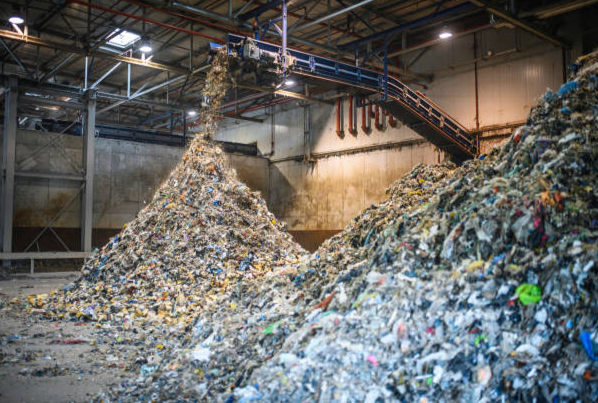
Managing waste effectively is an important part of building a more resource-efficient economy. Across industries, discarded materials can often be recovered, processed, and returned to productive use rather than sent directly to landfill. Well-designed recycling solutions in Australia help businesses and waste processing facilities separate different materials, improve resource recovery and manage diverse waste streams. From plastics and glass to paper, textiles and construction debris, each material requires suitable handling and processing methods. Understanding how recycling systems work, which technologies support them and what influences their performance can help organisations make informed decisions about waste reduction, operational efficiency and responsible resource management.
Understanding Different Waste Recycling Systems
Recycling systems are designed around the type, volume and composition of the materials being processed. Mixed commercial waste, construction debris and household recyclables contain different materials, so a single processing method may not suit every application.
Sorting is a crucial first step. Screens separate materials according to size, while optical sorters identify certain materials by their composition or colour. Magnets recover ferrous metals, and eddy current separators can extract non-ferrous metals such as aluminium.
Effective recycling solutions in Australia can combine several technologies within one facility, allowing different materials to move through a coordinated processing line. The appropriate configuration depends on the incoming waste stream, recovery objectives, available space and required output quality.
Processing Plastics, Glass and Paper
Plastic recycling involves several stages, including sorting, shredding, washing and granulation. Common plastic types include polyethylene terephthalate (PET), high-density polyethylene (HDPE) and low-density polyethylene (LDPE).
Industrial plastic recycling solutions can be configured to handle particular plastic waste streams, depending on contamination levels, material properties, and processing requirements.
Glass recycling follows a different process. Waste glass is crushed into smaller pieces, commonly called cullet, then screened and sorted according to relevant quality requirements. Recovered glass can be used in manufacturing new glass products, reducing demand for virgin raw materials.
Paper and cardboard recycling typically involves sorting, screening, shredding, and baling.
Managing Organics, Textiles and Construction Waste
Organic waste, including food scraps and garden waste, can be processed through composting or anaerobic digestion. Composting produces material that can improve soil, while anaerobic digestion breaks down organic matter in an oxygen-free environment and generates biogas. Textile recycling systems sort and process discarded fabrics into fibres that may be reused in products such as insulation or new textiles. However, recovery options vary according to fibre composition, fabric blends and contamination. Construction and demolition waste presents another challenge because it can contain concrete, timber, metals, soil and aggregate.
The Role of Waste Management Equipment
Effective waste management solutions depend on more than collection and disposal. Processing facilities may require primary and secondary shredders, conveyors, screens, bag openers, balers, and automated controls. Each component performs a specific function within the overall workflow.
Shredders reduce bulky materials to manageable sizes, while conveyors move waste between processing stages. Bag openers release mixed materials for sorting, and balers compress recovered recyclables into compact bundles for storage and transport. Automation can help coordinate equipment operations, while artificial intelligence may support sorting decisions and performance monitoring.
Improving Resource Recovery and Operational Efficiency
Businesses assessing recycling solutions in Australia should begin by identifying the waste they generate and determining which materials can realistically be recovered. A waste audit can establish material quantities, contamination levels, and existing disposal practices. The next step is to define measurable objectives, such as reducing landfill disposal, improving sorting accuracy, or increasing the recovery of specific materials. Processing capacity should match expected volumes without creating unnecessary bottlenecks.
Conclusion
Successful recycling requires coordinated processes, suitable equipment and a clear understanding of different waste streams. Careful planning can help organisations improve sorting, reduce avoidable disposal and make better use of recoverable resources. Businesses exploring these approaches can review the technical information and equipment categories presented by OGTEC to understand how processing systems may fit their operational requirements. Ultimately, consistent monitoring and informed equipment selection are essential for building efficient, practical, and environmentally responsible waste recovery operations.