






Secure closures are essential in homes, commercial buildings, industrial equipment, and transportation systems. Doors, cabinets, access panels, and machine enclosures all need reliable ways to stay closed while remaining accessible when required. Choosing the right locks latches helps balance security, convenience, durability, and ease of operation.
Although these components may appear simple, their design affects how well an enclosure performs in everyday use. A residential cabinet has different requirements from an industrial machine door exposed to vibration, dust, or frequent opening. Understanding the available types and their applications makes it easier to select hardware that suits the intended environment.
What Are Locks and Latches?
Locks and latches are mechanical or electromechanical devices used to secure doors, covers, panels, and other movable components. Both help keep an opening closed, but they serve different primary purposes.
A latch generally holds two connected parts together. It may engage automatically when a door closes or require manual operation to secure the connection. A lock adds a level of controlled access, typically requiring a key, combination, electronic credential, or another authorized release method.
Some products combine both functions. For example, an industrial enclosure may use a compression latch that pulls a door tightly against its frame while also allowing the panel to be secured against unauthorized access.
The correct choice depends on the required holding strength, access frequency, environmental conditions, and security level.
Common Types of Locks and Latches
Different mechanisms are designed for different operating conditions. The following options are widely used across residential, commercial, and industrial settings.
1. Cam Locks
Cam locks use a rotating metal arm, known as a cam, to secure a door or panel. Turning the key rotates the cam behind the frame or another retaining surface.
They are commonly used in cabinets, lockers, electrical enclosures, and storage compartments. Their compact design makes them practical where installation space is limited.
2. Compression Latches
Compression latches secure a panel while applying pressure between the door and its frame. This helps reduce movement, rattling, and gaps.
They are particularly useful in industrial cabinets, control panels, outdoor equipment enclosures, and transportation applications. Some designs also help maintain a tighter seal against dust or moisture when paired with suitable gaskets.
3. Toggle Latches
Toggle latches use a lever and linkage mechanism to pull two surfaces together. Once engaged, the mechanism maintains tension and holds the connected components in position.
They are frequently used on equipment covers, toolboxes, containers, and removable machine panels. Adjustable versions allow users to accommodate different closure distances within the manufacturer’s specified range.
4. Magnetic Latches
Magnetic latches use magnetic attraction to keep doors or panels closed. They are often found in furniture, cabinets, display units, and lightweight access panels.
Their simple operation makes them convenient for applications where a heavy mechanical locking mechanism is unnecessary. However, magnetic holding strength must be appropriate for the door’s weight and expected movement.
5. Spring-Loaded Latches
Spring-loaded latches use internal spring force to engage a retaining point. Depending on the design, they may automatically lock when a door closes or require a handle or button for release.
These mechanisms are useful in equipment doors, access panels, storage compartments, and other applications where quick operation is important.
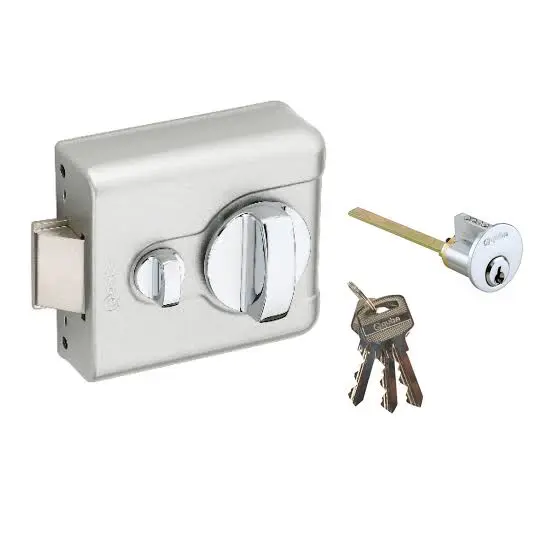
6. Deadbolts and Keyed Locks
Deadbolts use a solid locking bolt that extends into a strike plate or receiving opening. Keyed locks provide controlled access and are commonly used for building entrances, storage rooms, and security-sensitive cabinets.
They are generally selected when access restriction is more important than simply keeping a panel closed.
Benefits of Using the Right Locking Hardware
Selecting suitable hardware provides several practical advantages.
Improved security: Locks help restrict access to valuable items, sensitive equipment, and controlled areas. The required security level should determine the mechanism and installation method.
Reliable closure: Latches help prevent doors and panels from opening unintentionally. This is particularly important in vehicles, machinery, and equipment exposed to vibration.
Convenient access: Different operating mechanisms allow users to open and close enclosures efficiently. A frequently accessed maintenance panel, for example, may benefit from a quick-release latch.
Equipment protection: Properly secured enclosures help protect internal components from accidental contact, environmental exposure, and unauthorized interference.
Reduced movement and noise: Compression and toggle latches can minimize panel movement, helping reduce rattling during equipment operation.
Practical Applications Across Different Industries
Locks and latches are used in many environments because almost every enclosure requires a dependable closure method.
Residential and Commercial Buildings
Homes and offices use locks on entry doors, storage cabinets, windows, lockers, and utility rooms. The selection depends on whether the priority is security, privacy, convenience, or child-resistant access.
For example, a keyed lock may be appropriate for a storage room, while a magnetic latch may be sufficient for a lightweight cabinet door.
Industrial Machinery and Equipment
Manufacturing equipment often includes removable covers, electrical cabinets, and maintenance access panels. These components must remain securely closed during operation while allowing authorized personnel to access internal parts.
Compression latches and cam locks are commonly considered for these applications. Hardware should be compatible with machine vibration, enclosure materials, and applicable safety requirements.
Transportation and Automotive Equipment
Vehicles, trailers, and transport containers use latches to secure doors, compartments, and storage areas. Vibration resistance and reliable engagement are especially important because components may experience frequent movement.
Electrical and Control Enclosures
Electrical cabinets need closures that help protect sensitive equipment from unauthorized access and environmental conditions. A suitable latch can maintain panel alignment and support the performance of enclosure seals.
The selected hardware should also meet the enclosure’s required environmental and electrical safety specifications.
How to Choose the Right Locks and Latches
Selecting suitable hardware becomes easier when the application is evaluated systematically.
Step 1: Define the Purpose
Decide whether the primary requirement is security, simple closure, vibration resistance, compression, or controlled access.
A cabinet storing valuable tools may need a keyed lock, while a machine cover may require a latch that keeps the panel firmly closed during operation.
Step 2: Evaluate the Operating Environment
Consider moisture, dust, temperature changes, vibration, chemicals, and outdoor exposure. These conditions influence material selection and expected service life.
Stainless steel may be appropriate for certain wet or corrosive environments, while coated steel or engineered polymers may suit other applications.
Step 3: Check Dimensions and Mounting
Measure the panel thickness, available installation space, mounting-hole positions, and distance between the door and frame.
Incorrect dimensions can prevent proper engagement or cause the latch to place unnecessary stress on the enclosure.
Step 4: Consider Operating Frequency
A closure used several times a day may require a different design from one opened only during scheduled maintenance.
Frequent-use applications benefit from mechanisms designed for repeated operation and comfortable handling.
Step 5: Verify Security and Load Requirements
Check manufacturer specifications for holding capacity, locking method, and environmental ratings. Do not assume that a latch provides the same level of security as a dedicated lock.
For safety-critical machinery, closure hardware must be evaluated as part of the complete guarding and access-control system.
Common Mistakes to Avoid
One frequent mistake is choosing hardware based only on appearance or price. A visually suitable latch may not provide enough holding force or environmental resistance.
Another problem is overlooking alignment. If the latch and receiving point are not correctly positioned, the mechanism may become difficult to operate or fail to engage fully.
Using an indoor-rated product outdoors can also shorten its service life. Moisture, temperature fluctuations, and corrosion may affect components that are not designed for those conditions.
Finally, businesses sometimes confuse a closure mechanism with a safety device. A standard lock or latch does not automatically meet machine-guarding or personnel-protection requirements.
Practical Tips for Better Performance
- Match the mechanism to the intended security and closure requirements.
- Confirm dimensions before ordering or modifying an enclosure.
- Choose materials suited to the operating environment.
- Check alignment during installation.
- Inspect moving parts, fasteners, and mounting points periodically.
- Replace damaged or corroded components promptly.
- Follow manufacturer instructions for adjustment and maintenance.
- Verify that safety-related access systems meet applicable standards.
Conclusion
Locks and latches play an important role in securing buildings, cabinets, machinery, and equipment enclosures. From compact cam locks to compression and toggle latches, each mechanism offers different benefits. The best choice depends on security needs, operating conditions, mounting dimensions, and frequency of use. By evaluating these factors carefully, users can select reliable closure hardware that improves convenience, protects equipment, and supports long-term performance.