





Needs
Before comparing electric scooters, think about how you plan to use one. Your daily routine will help determine which features matter most.
For Daily Commuting
If you plan to ride to work, school, or nearby shops, look for a scooter with a practical range, dependable brakes, and a comfortable riding position. A foldable design can also make it easier to carry or store the scooter.
For Short Trips
For occasional neighborhood rides and quick errands, a lightweight model with straightforward controls may be sufficient. You may not need the largest battery or most powerful motor.
For Longer Journeys
If your trips involve greater distances, prioritize battery capacity, realistic riding range, tire quality, and comfort. Consider whether you can recharge the scooter conveniently at your destination.
For Uneven Roads
If your usual routes include rough pavement or minor bumps, look for suitable tires and a well-designed suspension system. Remember that electric scooters are not all designed for off-road use.
2. Check Battery Life and Riding Range
Battery performance is one of the most important factors when choosing an electric scooter. The battery determines how much energy is available for riding between charges.
Manufacturers often advertise a maximum range, but actual performance can vary significantly depending on several factors:
- Rider weight and additional cargo
- Riding speed and acceleration
- Hills and road conditions
- Temperature and weather
- Tire pressure and battery condition
- Frequent stops and starts
Choose a scooter with enough range to cover your regular journey while leaving a reasonable reserve. If your daily commute is 10 miles, for example, a model with a higher advertised range may provide more flexibility than one rated for exactly 10 miles under ideal conditions.
Also check the charging time, battery warranty, and replacement battery availability before purchasing.
3. Understand Motor Power and Speed
Motor power affects how an electric scooter accelerates and handles inclines. A model with a suitable motor may perform better on hills than a less powerful alternative, although performance also depends on the scooter’s design, rider weight, and battery condition.
Maximum speed is another important specification, but faster is not always better. Consider your riding environment, experience, and local speed restrictions.
Before buying, check:
- Rated motor power
- Performance on inclines
- Maximum speed
- Acceleration controls
- Applicable local regulations
Choose a scooter that matches your needs rather than selecting one based only on its top speed.
4. Choose the Right Tires
Tires influence comfort, traction, and handling. Electric scooters commonly use solid tires, pneumatic tires, or tubeless pneumatic designs.
Solid Tires
Solid tires do not require inflation and are resistant to punctures. However, they may transmit more vibration on rough surfaces because they generally provide less cushioning than pneumatic tires.
Pneumatic Tires
Pneumatic tires contain air and can offer a more comfortable ride on uneven pavement. They require regular pressure checks and can be vulnerable to punctures.
Tubeless Tires
Some scooters use tubeless pneumatic tires, which can offer a balance of ride comfort and practical maintenance. Their exact performance depends on tire construction and the scooter’s design.
When comparing tires, consider the road surfaces you use most often and how much maintenance you are willing to perform.
5. Prioritize Braking and Safety Features
Safety should be a priority when choosing an electric scooter. A reliable braking system helps riders slow down and stop when necessary.
Different models may include electronic brakes, drum brakes, disc brakes, or combinations of these systems. Braking performance depends on the design, condition, maintenance, road surface, and weather.
Other useful features may include:
- Front and rear lights
- Reflectors or reflective surfaces
- A visible rear brake light
- A bell or horn
- A stable deck and secure handlebars
- Suitable water-resistance ratings
Always wear a properly fitted helmet, follow local traffic laws, and use appropriate protective equipment. Avoid riding in conditions that exceed the scooter’s capabilities, and never assume a water-resistance rating makes a scooter waterproof.
6. Look for Comfort and Ride Quality
A comfortable scooter can make everyday journeys more enjoyable. Consider the handlebar height, deck size, riding position, tire type, and suspension.
Suspension systems can help reduce the impact of bumps, but they add complexity and may increase a scooter’s weight. If you mostly ride on smooth pavement, you may prefer a simpler and lighter model.
Before purchasing, review the manufacturer’s dimensions and, if possible, test the scooter to see whether the riding position feels natural.
7. Consider Weight and Portability
Portability matters if you need to carry your scooter upstairs, take it on public transportation, or store it in a small apartment or office.
A foldable electric scooter can be easier to transport and store. However, folding mechanisms differ, and some heavier scooters can still be difficult to carry even when folded.
Check the scooter’s weight, folded dimensions, and locking mechanism. Make sure you can safely lift and move it if your routine requires frequent carrying.
8. Compare Build Quality and Durability
An electric scooter should be built to handle your intended use. Frame construction, wheel quality, folding mechanisms, electrical components, and weather protection can all influence long-term reliability.
Look for clear product specifications, a suitable warranty, and access to replacement parts. Customer feedback may also help you identify recurring concerns about durability or maintenance.
Keep in mind that even a well-built scooter needs regular inspections. Check the tires, brakes, fasteners, lights, and folding mechanism according to the manufacturer’s maintenance schedule.
9. Set a Realistic Budget
Electric scooter prices vary depending on battery capacity, motor power, construction, features, and brand. A basic model may be suitable for short trips, while a more advanced scooter may offer a longer range or additional comfort features.
When comparing prices, consider the total cost of ownership rather than just the purchase price.
Your budget should account for:
- The scooter itself
- A suitable helmet and safety equipment
- Routine maintenance
- Tire repairs or replacements
- Potential battery replacement
- Accessories and charging needs
A moderately priced scooter with the right specifications and dependable support may be a better purchase than a more expensive model with features you rarely use.
10. Research Brands and Read Customer Reviews
Comparing brands can help you understand the features, warranty terms, and support options available in your price range. However, specifications can vary between models from the same manufacturer, so evaluate the exact scooter you plan to purchase.
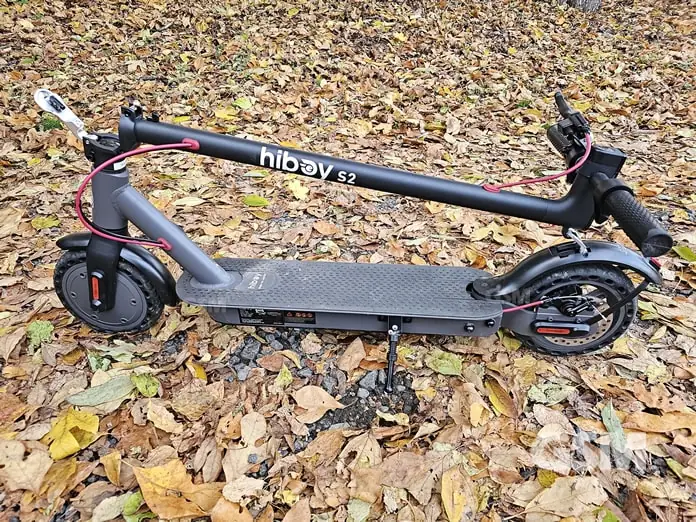
Hiboy offers electric scooters in different configurations, with features and capabilities that vary by model. When considering one, review the battery range, motor power, braking system, tire design, weight, and intended use.
When researching a Hiboy Review, compare customer feedback about real-world battery performance, ride comfort, assembly, durability, and customer service. Look for comments about the specific model you are considering rather than relying on general brand impressions.
It is also helpful to verify warranty coverage, return policies, replacement parts, and local service availability before placing an order.
11. Essential Electric Scooter Maintenance Tips
Regular maintenance can help keep your electric scooter working properly and may reduce the risk of avoidable problems.
Check Tire Pressure
If your scooter uses pneumatic tires, check the pressure according to the manufacturer’s recommendations. Incorrect tire pressure can affect handling, comfort, and range.
Inspect the Brakes
Check brake operation regularly and have worn or damaged components serviced promptly. Do not ride if the brakes are not functioning properly.
Keep the Scooter Clean
Remove dirt with a method approved by the manufacturer. Avoid spraying water directly into electrical components or connectors.
Protect the Battery
Follow the manufacturer’s charging and storage guidance. Avoid extreme temperatures and use the recommended charger.
Tighten and Inspect Components
Check handlebars, folding mechanisms, fasteners, lights, and other important components for signs of wear or looseness.
A consistent maintenance routine can help improve reliability and extend the useful life of your scooter.
12. Common Mistakes to Avoid When Buying an Electric Scooter
Avoid these common mistakes when comparing electric scooters:
- Choosing a model based only on its maximum speed
- Ignoring realistic battery range
- Buying a scooter that is too heavy for your needs
- Overlooking braking performance and lighting
- Failing to check local riding regulations
- Ignoring warranty coverage and replacement parts
- Assuming every scooter is suitable for wet or rough conditions
- Forgetting to budget for safety equipment and maintenance
Taking time to compare specifications can help you choose a scooter that fits your everyday routine.
Final Thoughts
Choosing the best electric scooter involves balancing range, motor power, safety, comfort, portability, durability, and cost. The right model should match your daily travel distance, the roads you use, and the amount of maintenance you are prepared to handle.
Before making a purchase, compare detailed specifications, review customer experiences, and confirm that the scooter complies with local regulations. Prioritize dependable brakes, suitable lighting, and a realistic riding range over unnecessary features.
With careful research and regular maintenance, an electric scooter can be a convenient option for everyday travel and recreational rides.